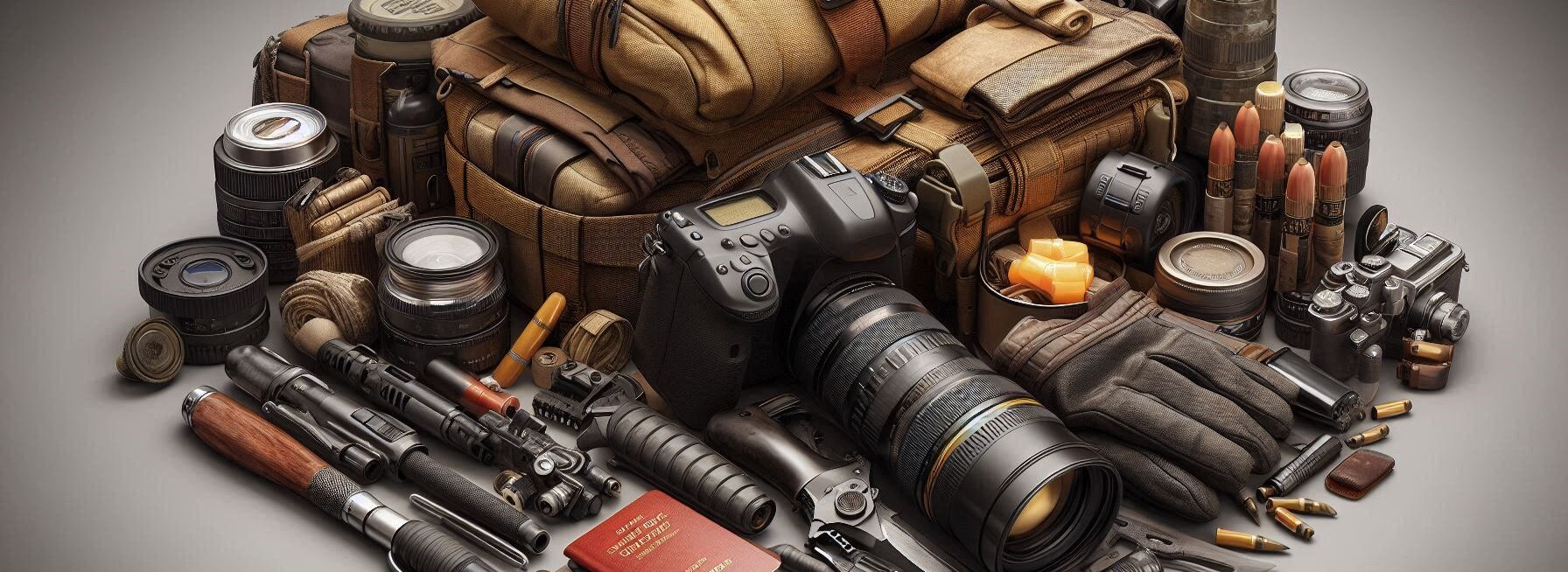
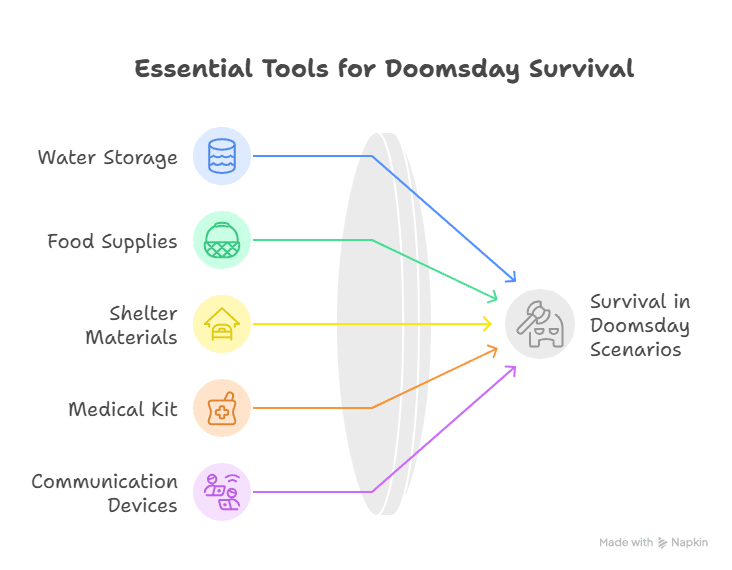
When you think about prepping, you might image strong survivalists living off the grid or doomsday preppers with a bunker full of canned beans. But let's be honest: being ready isn't just about the end of the world. It's about being ready for whatever that comes your way! Whether you become caught at home because of an unexpected snowstorm or lose power on movie night, having the right supplies can make all the difference. What should you have in your survival kit? Let's get going!
The Must-Have Emergency Kit
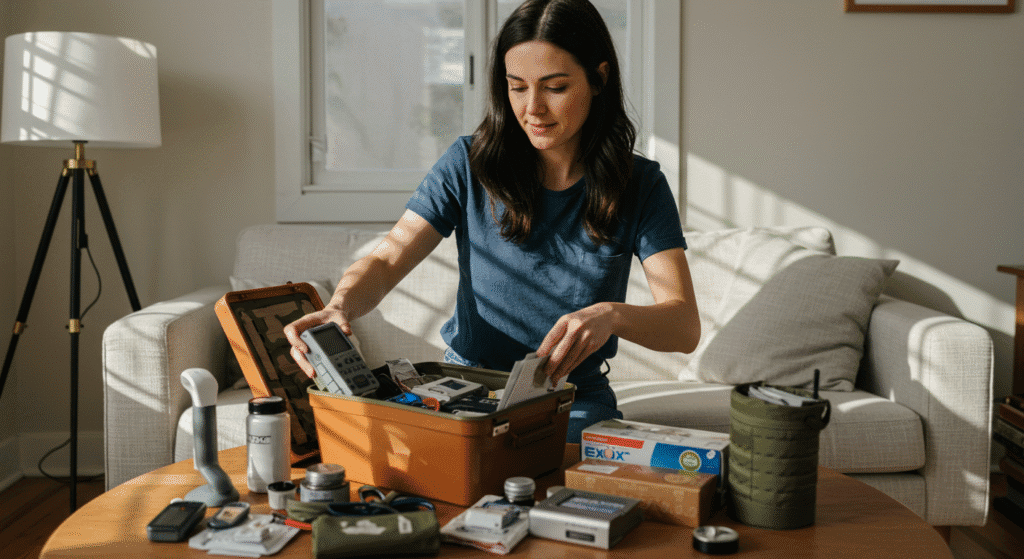
You need an emergency kit initially if you want to be ready. This is like a superhero's utility belt, but it doesn't have spandex (unless you want it to). Food and water should be in a good emergency pack, but it should also have some entertaining items that you didn't expect.
Please Note: This post may contain affiliate links. If you click one of them, we may receive a commission at no extra cost to you. As an Amazon Associate, I earn from qualifying purchases.
How long do you think you could live on just granola bars? Those things don't taste good for long! Bring a variety of stuff instead. Canned foods are great since they last a long time and are easy to heat up (or eat cold if you're feeling bold). Don't forget to include a can opener that works by hand. Being hungry and not being able to get to your food is the worst!
Another key aspect of any emergency plan is having enough water. The rule of thumb is that each person should drink one gallon of water every day for at least three days. This rule may appear simple, but let's take a closer look at it. Three days without water can seem like a long time, especially if you can't find any other method to stay hydrated. Imagine that your throat is drier than the Sahara Desert while you struggle to find out how to stay alive.

You should also think about alternate ways to stay hydrated, including filters or purification tablets. These handy equipment can turn water from sources that might not be safe to drink into safe water, so you won't have to worry about needing to go to the bathroom for longer than your favorite Netflix show. Picture this: you're hiking and suddenly realize you don't have enough water. You observe a dark puddle close by and think, “Hmm… I wonder if I could drink that?” If you have a portable filter or some purification tablets in your emergency kit, you can definitely say yes. But you have to fix it first!
It's also crucial to know that there are a lot of different techniques to purify water these days. A lot of individuals swear by UV light equipment. You just wave them over the water like a magic wand, and that's all! It seems like magic (without the capes) that pure water appears. People still like to boil water the old-fashioned way. To achieve this, bring some water to a boil, then let it cool down before you drink it.
We should also think about how to store things! Water doesn't stay fresh forever; it needs the correct containers to keep it clean and free of pathogens. Get plastic or glass containers that are safe for long-term storage and don't have BPA in them. You should also look through your stash every once in a while. Change out the supplies every six months to make sure they stay drinkable when you need them most.
In short, having enough clean water on hand is not just a smart idea for getting ready, but it's also crucial for staying alive in an emergency. So go ahead and get a bunch of bottled water and other things to clean it. When you're thirsty, you'll be pleased you did this so you don't have to wait for help.
*** Shop for Survival Gear - Tools - Kits ***
Survival Gear - Bags and Backpacks - Knives - Boots/Footwear - Communication
Outdoor Cooking - Gloves - Hydration - Dry Boxes - Water Filtration Systems
Tents - Sleeping Bags - First Aid Kits - Multi-Tools - Flashlights - Fire Starters
Navigation - Survival Food - Night Vision - Headlamps - Stun Guns - Binoculars
First Aid Supplies: Band-Aids and Beyond
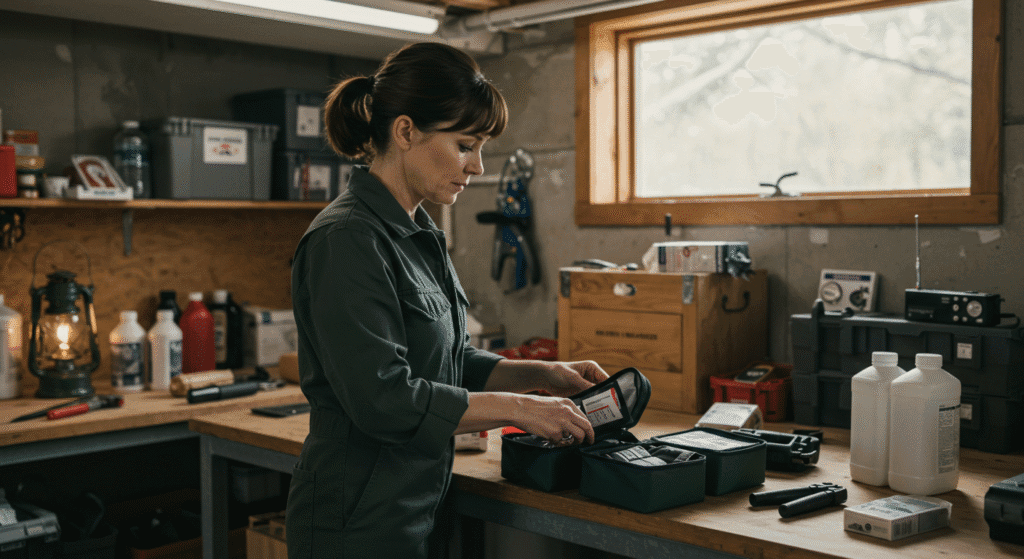
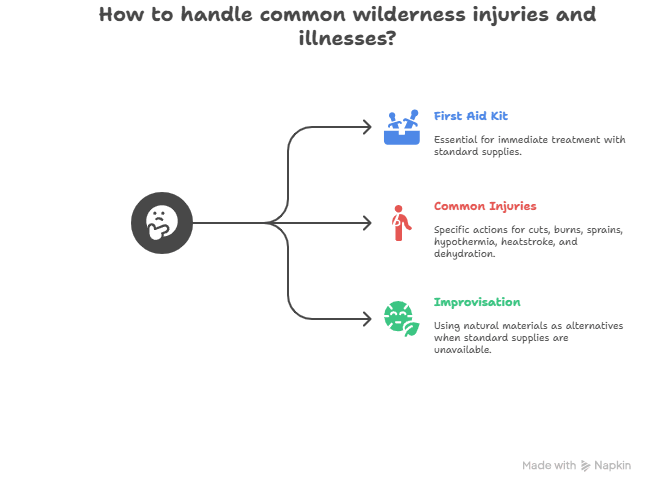
Next on our list of things you need to be ready for is a solid first aid kit. You don't have to become Dr. McDreamy right once, but knowing how to treat tiny wounds can save the day—or at least keep someone from making a big deal out of a paper cut.
A basic first aid kit should comprise sticky bandages (because who doesn't love those?), antiseptic wipes for cleaning wounds, gauze pads, and medical tape. Add some tweezers if you want to be fancy. They're fantastic for getting rid of splinters after that awful tree-climbing disaster last summer!
It's a significant mistake for a lot of people to forget about the medicines they might require in an emergency. When the sky turns black and the winds start to howl, you don't want to be without your critical medicines. It's like trying to run a marathon with just one shoe on. It's just not comfy! So let's take a moment to think about the prescription and over-the-counter drugs you take every day.
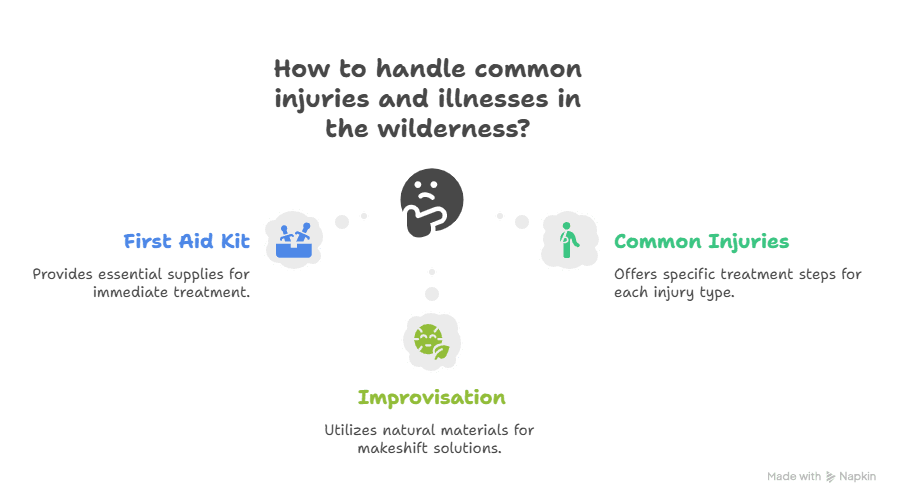
First of all, make sure you have enough of your prescription drugs on hand. Not only do you need to keep the pills in your container, but you also need to maintain them in their original package so you can find them easily afterward. If you were to use your emergency pack during a crisis and found a bunch of unmarked bottles, it could make things a lot more difficult! Keeping track of expiration dates is equally as important. When medications are over their expiration date, they are about as helpful as a teapot made of chocolate.
Let's discuss about medications that don't need a prescription. When pharmacies are closed because of bad weather or other emergencies, these can save your life. Having a lot of painkillers on hand, like acetaminophen or ibuprofen, could help with headaches or aches from stress (because let's be honest, nothing says “emergency” like a pounding headache). Allergy medications are also quite useful if you tend to sneeze at the worst moments. Trust me, no one wants to be stuck inside during a storm with their allergies acting up!
And since we're talking about it, you might want to think about putting together a mini pharmacy in your emergency pack. Include things like antiseptics for cuts and scrapes, cold medicine for days when your nose is running, and even some stomach relief options for when your stomach hurts. You never know when you might need something as simple as antacids after eating too much comfort food while you're anxious.
Also, certain people may need particular medical devices, like inhalers for asthma or EpiPens for severe allergic reactions. Don't forget about such critical things, too! Put these items in your kit where you can easily reach them so you can utilize them when you need to.
In summary, taking the time to get all the medicines you need ahead of time can be the difference between being ready and being startled. Check your medicine cabinet right now to make sure you have all you need to go through anything life throws at you.
Food Storage Tips That Don't Suck
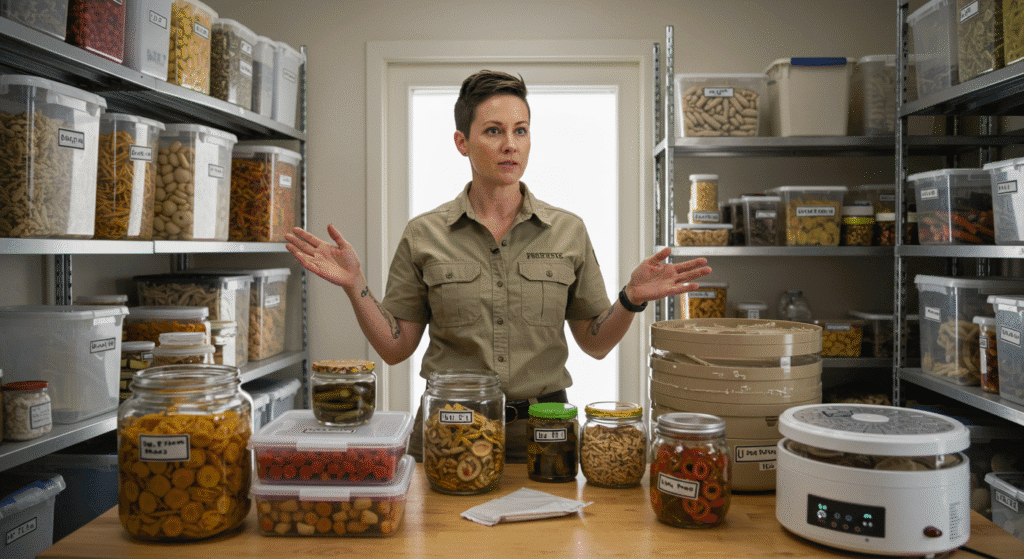
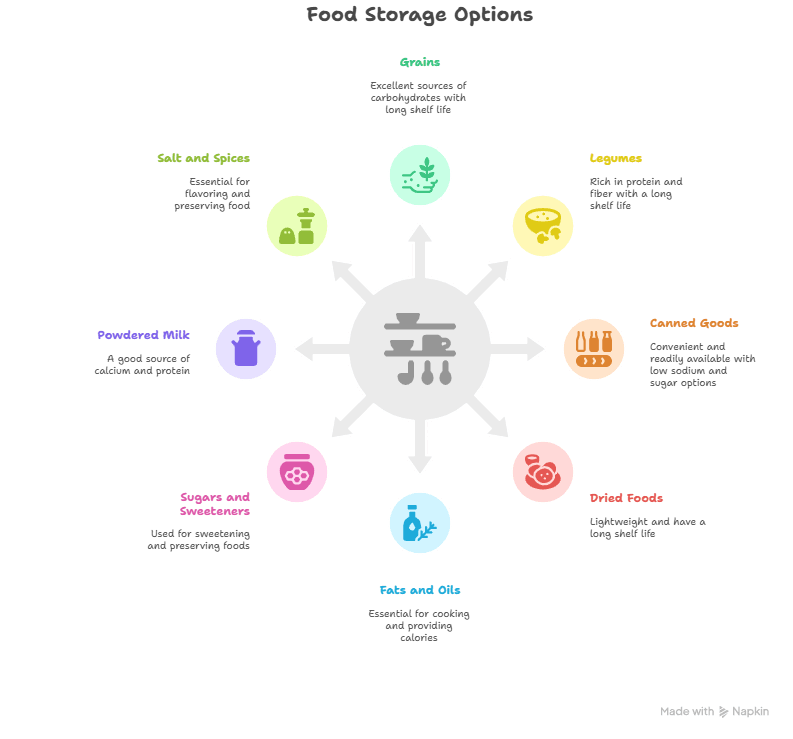
Now let's talk about how to preserve food, because no one wants their emergency food to taste like old workout socks! You need to keep your non-perishable things correctly if you want them to stay fresh until you need them.
To make items survive longer, put them in cool, dark places where the sun doesn't shine directly on them. Every few months, switch things out so they don't go bad. Believe me, no one wants an old can of tuna hiding in there like a guest who doesn't want to be there!
And to be honest? You might also want to think about sealing some parts using a vacuum. This chilly method keeps air and moisture out and keeps items fresher for longer than any other technique of storing them. Think about how nice it would be to eat a food that was tightly wrapped. It's like having a little time capsule of fun in your emergency kit! Vacuum sealing is useful and makes your preparing more pleasurable.
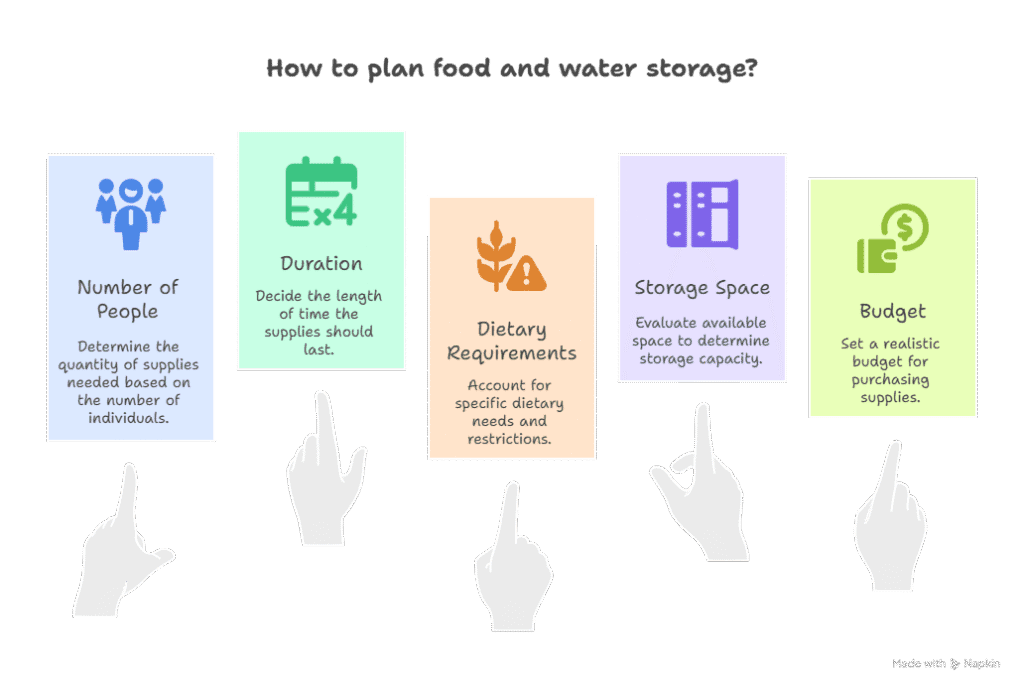
Let's talk about the good things first. When you vacuum seal food, you establish a barrier that keeps the weather out. You can transform your granola bars into sad little blocks faster than you can say “natural disaster.” And what about the air? But oxygen is bad for freshness. It causes food go bad and snacks go stale, which aren't as good as last week's leftovers. Food stays fresh for a lot longer when you vacuum seal it. This means you don't have to travel to the shop as often and you can rest when something goes wrong.
There are so many things that can be vacuum sealed that it's hard to keep track of them all! Dried fruits, nuts, and jerky are all good choices because they are healthy and don't take up much space. You could even go crazy with spaghetti or rice, which are staples that can be turned into hearty dinners when you add water or canned ingredients. Picture cooking a warm bowl of pasta while everyone else eats crackers that are too soft!
It's intriguing that vacuum-sealed bags may hold more than just food. You might also store important papers or personal items in them. Putting copies of your ID cards or insurance policies in airtight bags will help preserve them secure from water damage during floods or other disasters. It's like putting a superhero cape on your documents so they can tackle anything that comes their way.
If you're feeling very courageous (and why wouldn't you?), you could write the contents and the date on each sealed bag so you can find it later. After all, no one wants to play “guess what this mystery bag is” when they're hungry or stressed out. Plus, it adds a little organization to your home that will impress even the messiest family members.
So there you have it: vacuum sealing isn't just for fancy kitchen gadgets anymore. It's a smart method for anyone who really wants to do it to get ready. A little planning and work will make you ready for everything life throws at you. Along the way, you might even get to eat a tasty snack!
Communication Plans: Stay Connected
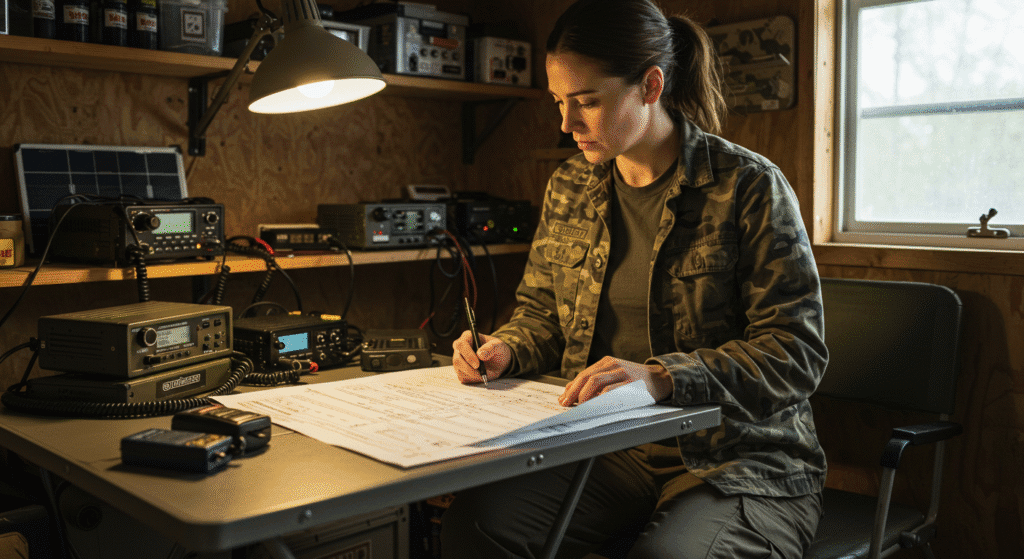
It's crucial to establish a plan for how to talk to one other in case of an emergency in a world when everyone is glued to their phones (guilty!). Imagine attempting to reach family and friends only to find that cell towers are too stressed out too!
To be honest, arranging group chats ahead of time can save a lot of trouble later on. Give your friends and family your contact lists so they all know who to call if something goes wrong.
It's also smart to have backup plans in case technology fails us completely (cue the dramatic music). Picture this: you're in the middle of a crisis and your phone just stops working. That high-tech device you rely on is suddenly as useless as a chocolate teapot. So, let's not put all of our money into one digital basket. It's easy yet sensible to write down important phone numbers on paper. This can aid you when you need it most.
First, think about who you would need to get in touch with in an emergency. Family, close friends, or even neighbors can be quite helpful when things go wrong. If you have their numbers, you won't have to guess or play “find my contact” when things become hectic. Also, there's something oddly satisfying about having a good old-fashioned list, like getting ready for a great treasure hunt!
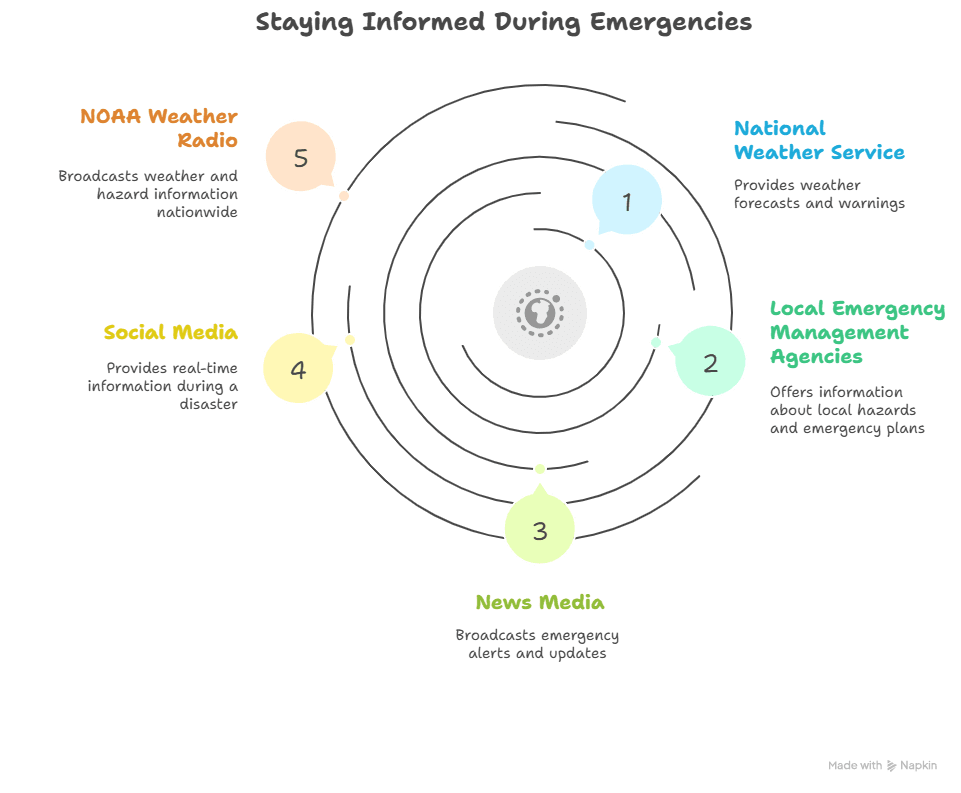
Don't just write these numbers down and toss the paper into a drawer where it will accumulate dust like last year's Christmas decorations. Instead, put that critical piece of information somewhere simple to get to, like in your emergency pack or on the fridge with a charming flamingo-shaped magnet (because why not?). If something horrible happens and you're really stressed out, you can go to that list without having to go through a lot of stuff.
And since we're talking about accessibility, you should consider about updating this list often. You know how it is: people change their numbers faster than I change my socks after gym class. Every few months, or when the whole family is together, make it a point to look over and update those numbers. It keeps things up to date and makes everyone feel better knowing they can reach loved ones when they need to.
It's interesting that you shouldn't forget about local resources. Include the phone numbers of shelters or community groups that can help in an emergency close by. These organizations can be a big help when you feel like you can't handle what's going on. Writing down their numbers could mean the difference between getting the help you need right away and being confused.
Finally, remember that nothing surpasses cooking the old-fashioned method, even though technology is fantastic (we can order pizza with just a touch!). You can still be successful even if your phone goes on an unanticipated trip if you write down important phone numbers and keep them safe but easy to get to. So get ready with that pen and paper. It's always better to be ready than to have to hurry later!
Essential Tools for Survival
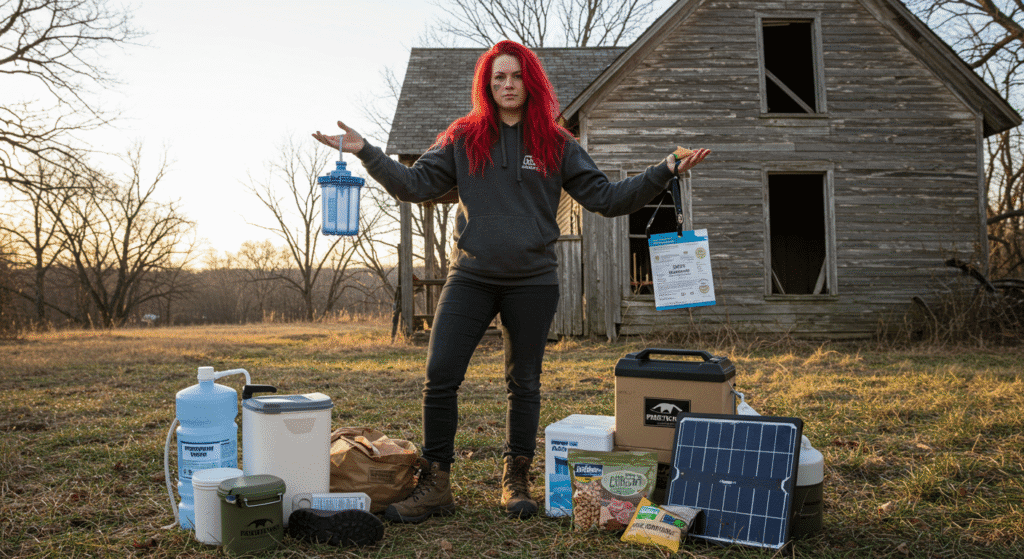
What good would all this planning be if you didn't have any tools? It's a lot easier—and maybe even fun—to cope with emergencies if you have the right tools. Until the truth hits hard, at least.
Consider getting multi-tools that can do a number of various tasks. You can squeeze these little miracles right in your pocket! They are great for a variety of tasks, such opening cans (again with the food theme) and doing quick repairs at home or when camping.
You also need flashlights since you need something you can trust on when it goes dark out of nowhere! Picture this: the lights go out, and you're left in total darkness, like in a scary movie. When every noise in the house sounds like a haunting whisper, all you can think about is finding that flashlight. But wait! What could be worse than not knowing? Like an octopus with its eyes closed trying to find more batteries! That's why it's so vital to always have extra batteries on hand.
Let's speak about how to choose the right flashlight first. You don't need one that can also be used as a NASA searchlight, but it should be bright enough to light your way without making you feel like you're auditioning for a part in “The Walking Dead.” LED flashlights are a great choice because they consume less energy, last longer, and are usually very bright. Also, they won't make you squint at shadows or wonder if the shape in the corner is genuine or just your mind playing tricks on you.
Let's talk about those batteries now! You can't just have them; they need to be easy to get to because, let's face it, when something horrible happens, time is of the essence. I all, who wants to waste time going through drawers full of junk? You know those drawers that collect anything from old birthday candles to wires you forgot how to use? Instead, keep your additional batteries in a labeled container or pouch close to your flashlight. That way, when the lights go out and you're surrounded by darkness like a cozy blanket (but not as nice), you can quickly find both things without having to look for them like a pro.
Also, while we're on the subject of being ready, you might want to have flashlights that can perform more than one thing. Some variants have built-in emergency whistles or the option to charge using USB. You may use these useful items for a lot of things in an emergency. Think about needing light while also asking for help or charging your phone since you forgot how low its battery was (which we always do). There are a lot of things to do!
It's also intriguing that you shouldn't forget about headlamps. They might not seem as stylish as ordinary flashlights, but they are quite important for illuminating without using your hands. Put one on your head, like a miner from the future, and you'll be able to see in the dark! Headlamps make things so much easier, whether you're looking for supplies or attempting to go around things while keeping both hands free (maybe even carrying snacks—priorities!).
Lastly, remember that practice makes perfect! After you put your flashlight and batteries together, check them from time to time. Make sure you know how everything works and that everything is working right before any real difficulties happen. The worst thing that may happen is to find out that your gear isn't working when you really need it!
That's it: every emergency kit needs extra batteries and flashlights that work. With these things on hand—and maybe even some humor along the way—you'll be ready for anything that comes your way, even if it's just another Lego piece lying around!
Building Community Connections
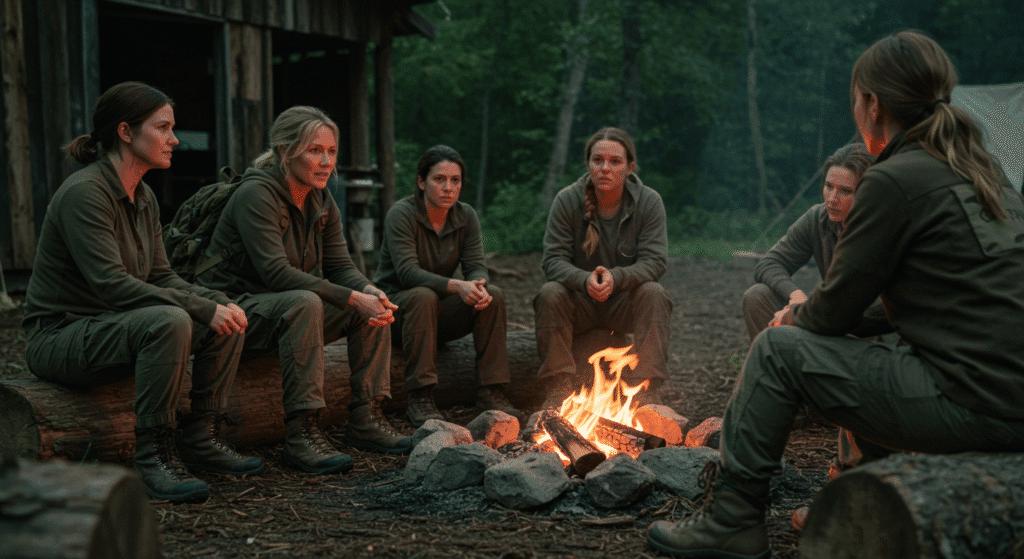
Last but not least, don't forget how crucial it is to have connections in your community when things go wrong! When you get to know your neighbors, you can help each other out when things go wrong instead of having to deal with problems on your own.
Plan neighborhood get-togethers that focus on being ready, where everyone contributes their own thoughts and experiences. For instance, those who are good at gardening can give advice, while people who are good at cooking can teach others how to cook. There are no limits to what you can do!
This feeling of community makes residents trust one other and strengthens their relationships more than steel cables. A little bit of communal spirit can help us get through any storm life throws our way.
In the end, the necessities aren't just things that individuals keep in their closets or under their beds. They are also strategies to calm folks down and get them ready for the unknown. So buy those things today, because tomorrow could bring surprises that no one saw coming!
Frequently Asked Questions
How much water should be stored for emergency readiness?
Most guidance suggests one gallon of water per person per day for at least three days.
Which basic items should every emergency kit include?
Food, water, first aid items, flashlights, multi-tools, and hand can openers form the core of most starter kits.
Do purification tablets replace filters for water safety?
Both work for making questionable water safer, but filters physically remove debris while tablets chemically disinfect.
Why keep a first aid kit stocked with medications as well?
Having necessary prescriptions and common OTC medicines prevents gaps in treatment when pharmacies are closed or unavailable.
How can stored food last longer during long-term prepping?
Store non-perishables in cool, dark areas, rotate stock regularly, and consider vacuum sealing to protect from air and moisture.
Why are written emergency contacts useful?
Writing numbers on paper protects access to critical contacts when phones die, break, or lose service.
Which lighting items should be prioritized for preparedness?
Flashlights, headlamps, and extra batteries are practical because they provide quick, hands-free visibility when power drops unexpectedly.
Suggested Resources
Emergency Preparedness Basics
https://www.ready.gov/prepare
The Ultimate Emergency Kit Checklist
https://www.redcross.org/get-help/how-to-prepare-for-emergencies/survival-kit-checklist.html
Prepping 101: A Beginner's Guide
https://www.survivopedia.com/prepping-101-beginners-guide/

Kevin Collier is a seasoned survivalist and expert in prepping and homesteading, contributing to WiseSurvive.com. With a deep-rooted passion for self-sufficiency and outdoor survival skills, Kevin shares practical advice, strategies, and resources to help individuals prepare for any challenge. His informative articles cover a range of topics, from essential survival techniques to sustainable living practices, empowering readers to thrive in any situation. Whether you're a novice or a seasoned prepper, Kevin's insights will inspire you to take charge of your readiness and build resilience for the future.