Last Updated on November 1, 2025 by Kevin Collier
Top Takeaways and Key Concepts
- Monitor Red Flag Warnings: Stay updated with local news, weather apps, and alert systems.
- Create an Emergency Plan: Involve everyone in your household and practice multiple escape routes.
- Designate a Safe Meeting Place: Pick a location outside the neighborhood for post-evacuation assembly.
- Fireproof Your Home: Remove flammable materials within 30 feet and maintain clean roofs and gutters.
- Prepare an Evacuation Kit: Include water, non-perishable food, medications, important documents, clothing, and comfort items.
Wildfires can really change things up, can’t they? One moment you're enjoying the sun, and the next—you’re dodging flames like it's an episode of “Survivor.” You ever get that whiff of smoke and think, “Uh-oh, what’s going on?” It’s wild (pun intended) how fast things can turn.
Living close to the woods or even just a dry patch of grass can make you worry. Being prepared makes all the difference. It’s like packing for a fun trip. You want all your essentials ready.
Please Note: This post may contain affiliate links. If you click one of them, we may receive a commission at no extra cost to you. As an Amazon Associate, I earn from qualifying purchases.
Think about your s’mores supplies. Chocolate, marshmallows, and graham crackers. Those are like little treasures. But while you’re at it, gather some other things too. Water is key. Lots of it. It’s like your best friend when fires start popping up.
Create a check-list. Have a plan. Where will you go? Who will you call? Everyone should know the drill. It makes everything smoother when chaos hits.
Keep an eye on the news too. Those red flag warnings are there for a reason. If you see them, take action. Don’t just sit back and hope for the best.

Have a bag ready to depart. Put critical things in it, such papers, food, and maybe even a cherished toy. You never know when you'll need to grab and run.
Get everyone together and talk about it. It's hard to think about, but it helps to know that everyone is on the same page. Sharing a blanket on a cold night puts anxieties at bay.
Fires might be scary, but you'll feel more in control if you get ready. Get those s'mores ready, and you've got this!
Contents of This Page
*** Shop for Survival Gear - Tools - Kits ***
Survival Gear - Bags and Backpacks - Knives - Boots/Footwear - Communication
Outdoor Cooking - Gloves - Hydration - Dry Boxes - Water Filtration Systems
Tents - Sleeping Bags - First Aid Kits - Multi-Tools - Flashlights - Fire Starters
Navigation - Survival Food - Night Vision - Headlamps - Stun Guns - Binoculars
Understanding Red Flag Warnings: What Do They Mean?
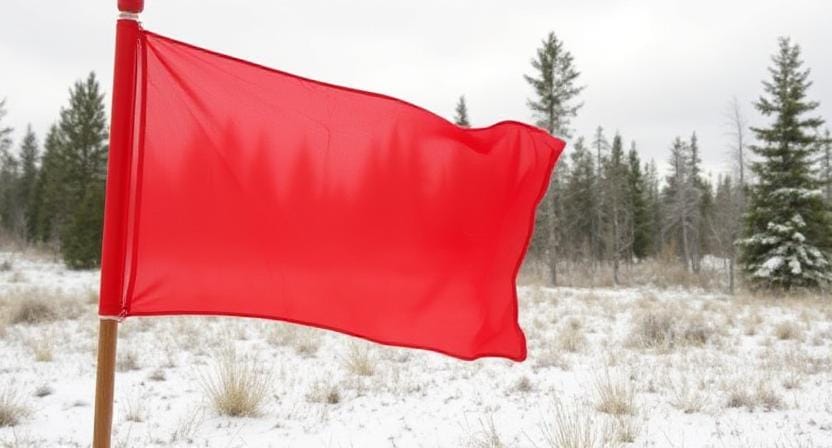
What is a red flag warning, to begin with? No, it's not a sign that your favorite sports team is losing (though that can feel just as bad). A red flag warning means that circumstances are good for wildfires because of things like strong winds, low humidity, and dry plants.
It's like Mother Nature is saying, “Hey people, now is not the time for a campfire sing-along!”
How do you keep up with these alerts now? Local news channels and weather apps are your closest allies in this situation. Watch them like they're your favorite reality show, because this may turn very dramatic!
Many towns also have alert systems that you may sign up for, which is interesting. Believe me, getting a text about possible fire hazards is much better than finding out while you're cooking burgers.
When the red flag warning shows up on your phone screen like an ad you don't want, it's time to do something!
Getting Everyone Involved in Making an Emergency Plan
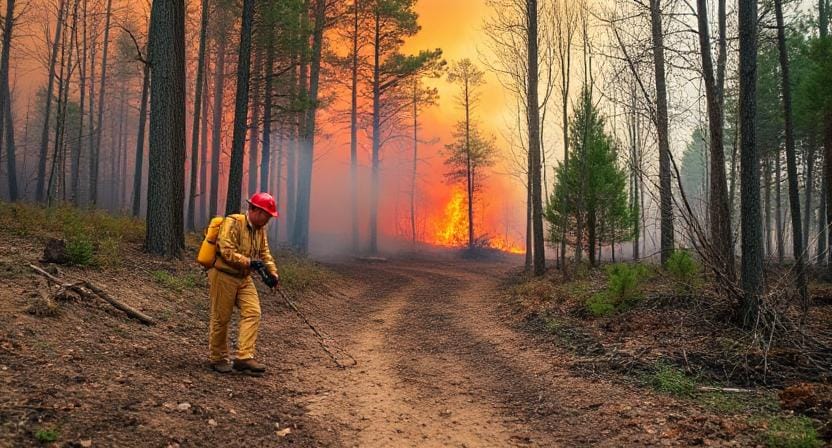
Now that we know what those annoying signals represent, let's talk about how to make your emergency plan. This isn't simply about bringing snacks and hiding under the bed (though I do think packing snacks is a good idea). It means getting everyone in your house together, even the pets, and talking about what to do if flames begin licking at your door.
The first thing you should do is find ways to get out of your house. You want more than one alternative since putting all your money on one horse at the racecourse is like betting all your money on one horse. It almost never ends well!
Everyone should practice these routes until they become second nature. And if there are kids, make it entertaining! You might pretend to be secret agents trying to get away from danger. Spy soundtrack is optional.
On that note, pick a place outside of your neighborhood where everyone will meet up after they leave. You don't want to be hollering “Marco Polo!” at each other in the middle of a mess. That game only works when there is water.
How to Make Your Home Fireproof: Ways to Keep Flames Out
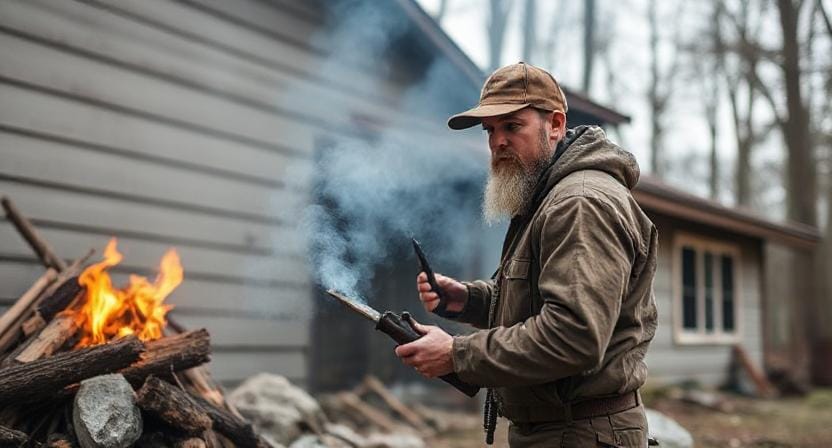
All right, let's go to work on fireproofing your home. You could say that this gives your house superpowers to fight fires.
The first thing you should do is get rid of everything that could catch fire within 30 feet of your home. This includes dried leaves, twigs, and even that pile of old lawn furniture you've been wanting to get rid of since last summer.
Next, look at your roof and gutters! If they are full of junk, like my sock drawer after laundry day (which is never organized), then you have a fire hazard right there. Because embers can set fire to anything dry, make sure to clean out those gutters often.
But to be fair, you can't make a house fully fireproof unless you plan to cover it in concrete (and even then…).
If you're building or remodeling, think about utilizing building materials that won't catch fire. It could cost more up front, but think of it as buying insurance against calamity. No matter how much you adore wood paneling, this is a fantastic choice.
Packing an Evacuation Kit: Do it Like a Pro
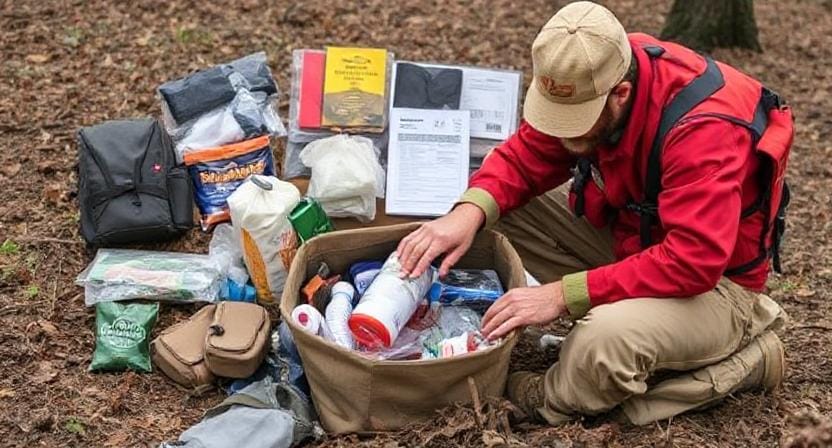
When the red flags start flying high and proud during wildfire season, it's time to pack an evacuation package. And no, I don't mean throwing random things into a duffel bag and running about the home like a tornado survivor in a panic.
Start with the basics, including a gallon of water per person every day, non-perishable food (hello peanut butter!), prescriptions, necessary papers (don't forget your passports!), and clothes that can be worn in many kinds of weather. But really, if you have kids or dogs here too, you should put their items too!
If things are really crazy outdoors, a favorite plush animal or family photo can help. Let's see… maybe add some money? Even if there are fires nearby, the world still turns on dollars.
Staying up to date: Knowledge is power
Lastly, and maybe most importantly, keep up with the news during wildfire season! Knowing what's going on around you will help you feel less anxious than having to teach Grandma how to use Zoom.
You can follow local news websites or social media accounts to get real-time updates during emergencies. This way, you'll know if it's safe to stay or if you need to leave right away!
You should also sign up for community alerts through emergency apps that will send you alerts right away, no matter what else is going on in your life.
It's funny that we love our smartphones so much, but we should also have backup plans that don't depend on technology. Keep battery-powered radios on hand in case the power goes out. You'll be glad you did when you're rocking out somewhere safe while you wait!
Frequently Asked Questions
What does a Red Flag Warning mean?
A Red Flag Warning indicates conditions such as high winds, dry vegetation, and low humidity that greatly increase wildfire ignition and spread risk.
Why should my family rehearse evacuation routes?
Practicing multiple exit paths allows faster, safer movement during an emergency and reduces confusion under stress.
How far should flammable materials be cleared from the home?
Removing burnable items within at least 30 feet of structures reduces direct flame exposure and wind-borne ember ignition.
What should be included in a wildfire evacuation kit?
Pack water, non-perishable food, medications, copies of important documents, clothing, hygiene items, and comfort items for children or pets.
Why is a designated meeting location important?
A predetermined reunion point ensures separated family members can regroup without relying on phone communication.
How can I track Red Flag Warnings in real time?
Use weather apps, local news stations, radio alerts, and community emergency notification systems to monitor changing conditions.
What simple home maintenance tasks help reduce ignition risks?
Regularly clean gutters, keep roofs free of debris, and remove dry vegetation around the property to limit ember hazards.
Resources:
Ready.gov – Wildfires
https://www.ready.gov/wildfires
National Interagency Fire Center
https://www.nifc.gov
American Red Cross – Wildfire Safety
https://www.redcross.org/get-help/how-to-prepare-for-emergencies/types-of-emergencies/wildfire.html

Kevin Collier is a seasoned survivalist and expert in prepping and homesteading, contributing to WiseSurvive.com. With a deep-rooted passion for self-sufficiency and outdoor survival skills, Kevin shares practical advice, strategies, and resources to help individuals prepare for any challenge. His informative articles cover a range of topics, from essential survival techniques to sustainable living practices, empowering readers to thrive in any situation. Whether you're a novice or a seasoned prepper, Kevin's insights will inspire you to take charge of your readiness and build resilience for the future.