Last Updated on November 2, 2025 by Kevin Collier
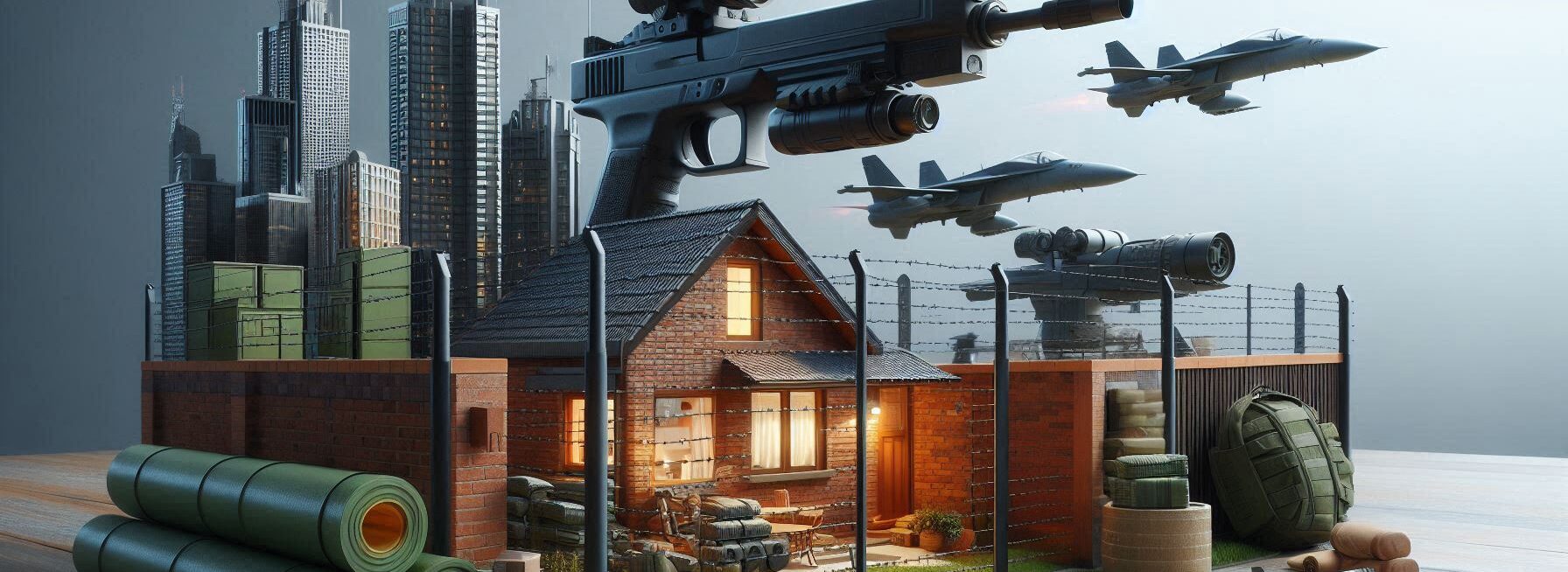
Top Takeaways and Key Concepts
– Assess your property to identify vulnerable entry points and potential security risks.
– Invest in high-quality locks and deadbolts to enhance door security.
– Install motion-sensor lights around your home to deter intruders.
– Develop a neighborhood watch program to increase community awareness and support.
– Practice emergency drills with your family to ensure everyone knows how to respond.
Let’s just be real. The world can feel a bit scary now and then. Like, that suspicious van parked across the street? Not exactly a cozy sight. And don’t even get me started on your neighbor's overly enthusiastic cat—that furball seems ready to pounce at any moment!
Please Note: This post may contain affiliate links. If you click one of them, we may receive a commission at no extra cost to you. As an Amazon Associate, I earn from qualifying purchases.
Having a home defense plan is a smart idea. You don’t want to be like those people in movies, right? You know the ones—hearing a noise and wandering around in their pajamas like it’s a mystery party. What are they thinking?
So, grab your coffee. Or herbal tea, if that’s your jam.
Let’s talk home security. Start with the basics. Locks. Good, sturdy locks on doors and windows are your best friends. Double-check those. Make sure they actually work. You don’t want to be caught off guard.

Lights are super important too. Motion-activated lights can scare away any shadows lurking around. They’re like little spotlights that say, “Hey, I see you!” Perfect for those sneaky, suspicious van types.
Think about cameras too. A few simple ones can work wonders. You can check on stuff from your phone. It makes you feel better, like a warm blanket on a cold night.
Speaking of comfort, let's talk about how to make your home feel safe. Put up a big “Beware of Dog” sign, even if you don't have a dog. It's a fun method to make people wonder.
Don't forget about the people that live next door. Talking to them is helpful. It feels safer and friendlier when everyone is looking out for each other. It's like a large neighborhood watch party, but there aren't any snacks.
*** Shop for Survival Gear - Tools - Kits ***
Survival Gear - Bags and Backpacks - Knives - Boots/Footwear - Communication
Outdoor Cooking - Gloves - Hydration - Dry Boxes - Water Filtration Systems
Tents - Sleeping Bags - First Aid Kits - Multi-Tools - Flashlights - Fire Starters
Navigation - Survival Food - Night Vision - Headlamps - Stun Guns - Binoculars
Also, keep a little emergency kit handy. A flashlight, some snacks, maybe a whistle, just in case. You want to be ready for anything, right?
Remember, it’s all about feeling safe, not turning your home into a fortress. Keep your sense of humor through it all. Life’s too short to forget about the fun stuff, like having a silly cat around—just watch out for those claws!
With these ideas in mind, your place will feel as secure as Fort Knox. So, keep smiling. You got this! 🏡✨
Assessing Your Risks
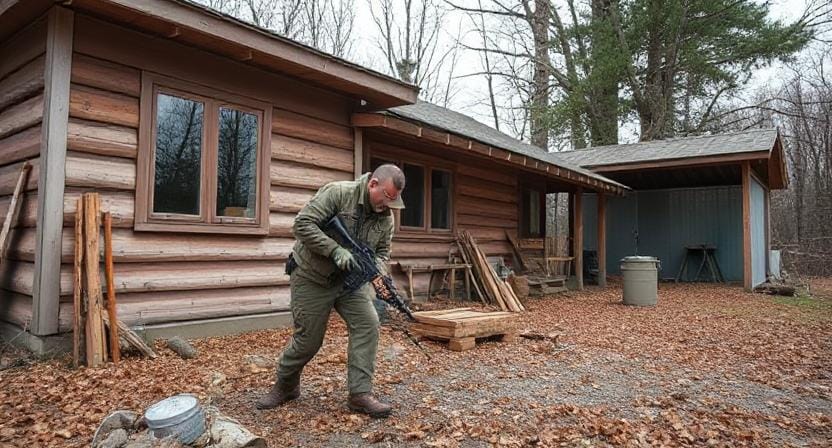
First things first, you need to know what you're defending yourself from. Is it thieves? People who break things? The mailman who keeps bringing my stuff to the wrong place? To develop a good security system, you need to know what threats could happen.
Go on a walk around your area and see what's going on. Are there any dodgy people hanging around? That guy with the messy beard who says he's “really into gardening” might be the one.
You can change your protections based on the threats you find. Just don't get too paranoid. No one wants to be the person who puts up posters that read “Beware of Attack Goose” unless they really do have an attack goose.
Strengthening Your Perimeter
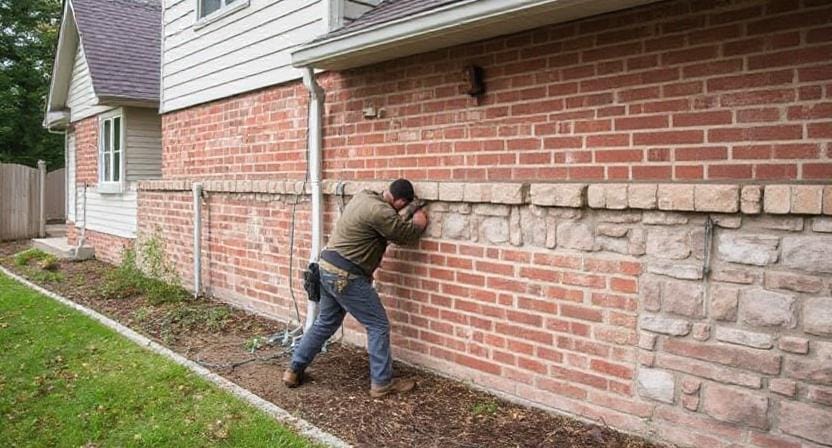
Now that you know what hazards might be out there, it's time to make your perimeter stronger, like a medieval fortress, but without the moat full of alligators (that would be awesome, though). Fences are a good place to start since they keep people out and make them think twice about what they're doing. A towering fence says “Stay out!” and a little fence says “Come on in; we have cookies!”
You may also think about putting motion-sensor lights in important parts of your property. These lights are great since they light up everything at night when thieves don't anticipate it. Also, nothing scares off unwelcome guests like suddenly being in the spotlight like you're trying out for America's Got Talent!
Landscaping is very important, by the way! Cut back bushes near windows so that suspicious people can't hide behind them and plan their next move, like whether or not to steal my yard gnome collection.
Putting up Security Systems
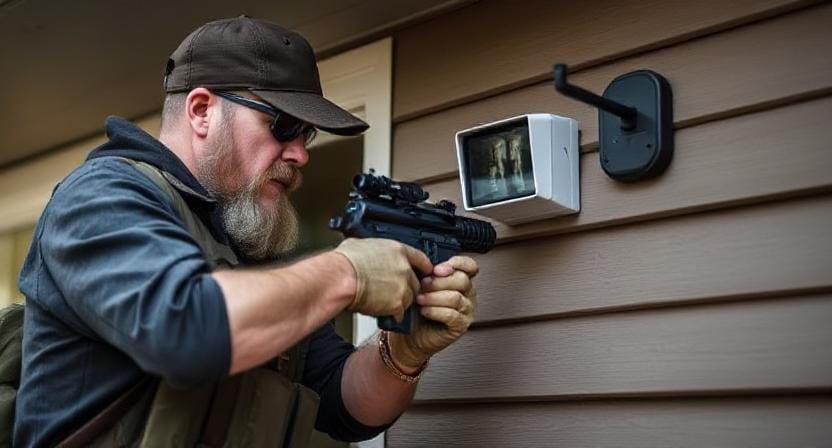
Let's talk about security systems now that we've talked about lighting up the night. These days, having cameras isn't just for reality TV shows; it's useful! Modern security cameras have capabilities like night vision and motion detection. This means you'll be able to spot if someone is sneaking around your house faster than you can shout “Get off my lawn!”
When picking a security system, look for smart features that let you keep an eye on everything from your phone while you drink coffee at work or pretend to work while really watching cat videos on YouTube (not judging!).
Some systems may even send warnings straight to your phone if something seems off, which is a lot like having a friend who is always texting you about every little thing.
And don't forget about alarms! They should be loud enough to wake up anyone within five miles or at least scare away raccoons that are going through trash cans.
Making Safe Spaces in Your Home
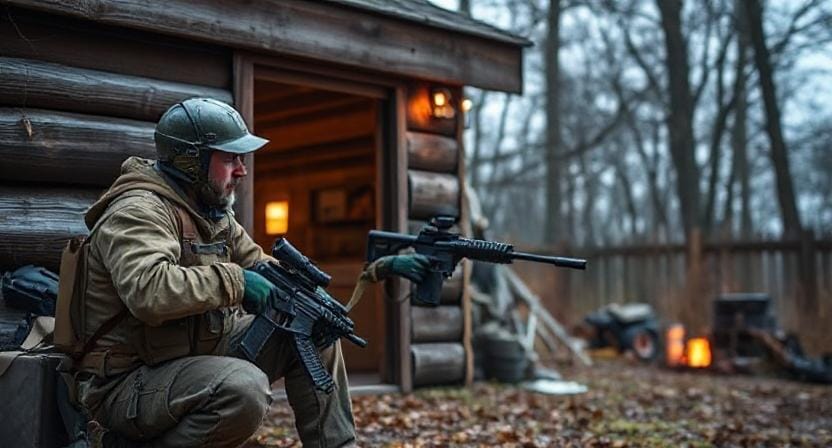
We've made the outside stronger, so now let's talk about what goes inside. When you make safe zones in your house, you set apart places where family members can go during emergencies.
These places should have strong doors that lock securely and, if possible, equipment for self-defense, like pepper spray or even just some heavy things that are ready to be thrown.
Think about putting in door reinforced locks. They're just as good at keeping unwelcome guests out as trying out for America's Next Top Model, but they're easier. Also, make sure everyone in the house knows how these safety features operate. There's nothing worse than fumbling with locks while you're scared.
Practicing scenarios can actually make everyone feel more ready, which is interesting. Yes, I'm talking about family drills. They're like fire drills, but hopefully less crazy than the last time we tried to make s'mores in the backyard!
Making Connections In The Community
It's important to keep our houses safe, but don't forget how powerful community relationships can be! Getting to know your neighbors generates a network of people who will look out for each other. Strangers become allies against possible threats!
Think about forming or joining a neighborhood watch group in your area where everyone tells each other about strange things that happen or things that have happened recently.
I once joined a group like that and ended up volunteering for potluck dinners instead of crime watch duties. But those meatballs were worth it! Also, knowing that someone is looking out for you makes a big difference when you're worried about your safety.
You could also build up ways for everyone to stay in touch using social media groups or messaging applications. This might sound silly, but it would be better than sending carrier pigeons!
Updates and Maintenance On A Regular Basis
Finally, and I can't stress this enough, it's very important to keep your home defense system in good shape and up to date! You should check things like smoke detectors and light bulbs on a regular basis to make sure they work when you need them to. For example, you should change the batteries in smoke detectors or replace light bulbs before they burn out entirely (you'd think I'd learn not to wait until dark!).
Sometimes looking at security footage might help you find patterns. For example, those late-night snacks could not simply be fictional creatures, but raccoons stealing food from last weekend's BBQ party!
Staying alert doesn't imply being afraid; it means taking steps to make our houses safe and sound while enjoying life outside without worrying about where we left our keys again!
Frequently Asked Questions
What is the first step in creating a home defense system?
The first step is assessing your property to identify weak entry points, vulnerabilities, and potential risk areas.
Why are high-quality locks important?
Strong locks and deadbolts improve door security, reducing the chance of forced entry by intruders.
How do motion-sensor lights help deter crime?
Motion-activated lights startle intruders and make suspicious movement more visible, discouraging unwanted activity.
Should I consider installing security cameras?
Yes, cameras provide visual monitoring of your property and can alert you to unusual activity, even when you’re away.
Does community involvement help with home security?
Neighborhood watch groups increase awareness, encourage reporting of suspicious behavior, and support mutual protection.
Why is practicing home emergency drills important?
Drills ensure every household member knows what to do, where to go, and how to respond during emergencies.
How often should I check or upgrade my security setup?
Regular inspections and maintenance help ensure locks, lights, cameras, and alarms continue functioning effectively over time.
Suggested Resources:
Home Security Tips
https://www.homesecurity.com/blog/home-security-tips
How Neighborhood Watch Works
https://www.ncpc.org/resources/home-neighborhood-watch/
Choosing Security Cameras
https://www.consumerreports.org/security-cameras/how-to-choose-the-best-security-camera-a1001339510/

Kevin Collier is a seasoned survivalist and expert in prepping and homesteading, contributing to WiseSurvive.com. With a deep-rooted passion for self-sufficiency and outdoor survival skills, Kevin shares practical advice, strategies, and resources to help individuals prepare for any challenge. His informative articles cover a range of topics, from essential survival techniques to sustainable living practices, empowering readers to thrive in any situation. Whether you're a novice or a seasoned prepper, Kevin's insights will inspire you to take charge of your readiness and build resilience for the future.