Food and water storage should be at the top of your agenda when it comes to being ready for an emergency. What good is a survival plan if you can’t eat or drink? So, let’s go into this important subject with a little bit of fun and a lot of helpful advice. You might even laugh while learning how to stock up like a master!
Why Is Food and Water Storage Important?
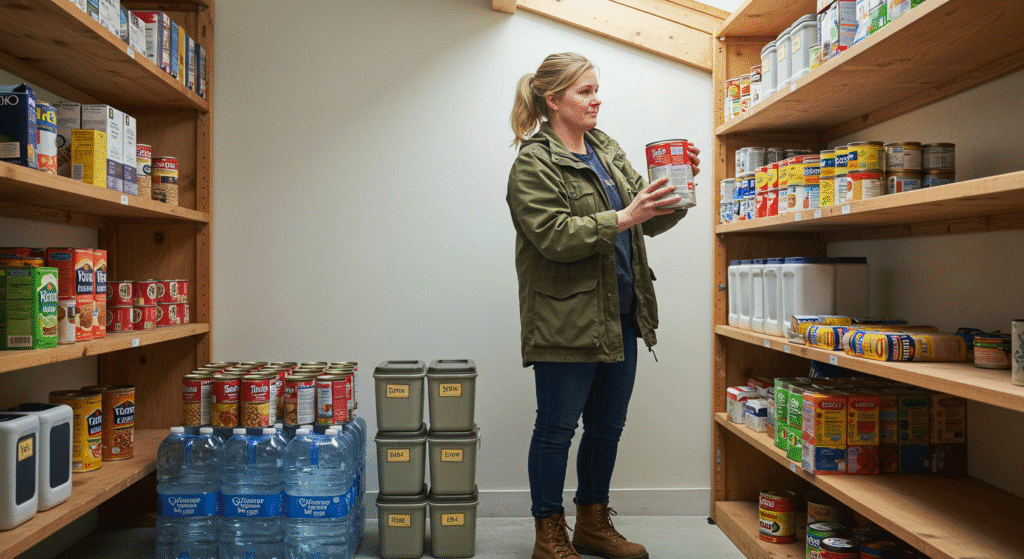
To begin, let’s speak about why we need to consider about stockpiling food and water. Hurricanes, earthquakes, or that surprise snowstorm that keeps you inside for days are all examples of disasters that can happen when you least expect them. I adore my neighborhood pizza place, but they won’t deliver during the apocalypse! That’s when having your own supplies is quite important.
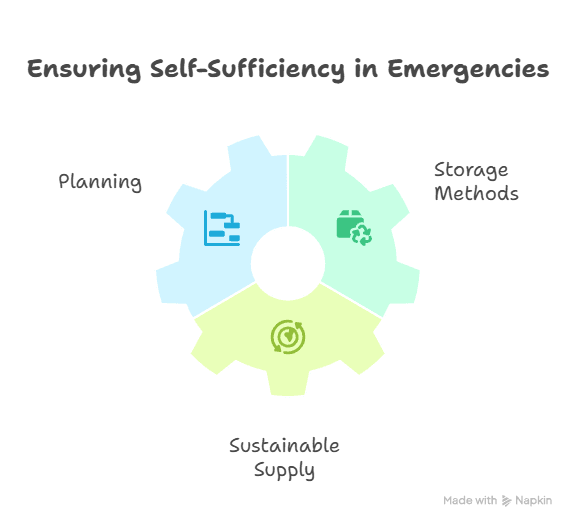
Imagine this: you’re at home, warm and snug, but there’s no power. The lights are out, and the fridge is starting to look like a ghost town. Instead of staring wistfully at that last piece of rotten bread, wouldn’t it be good to have some snacks on hand? You won’t feel like you’re on a reality program called “Survivor: Kitchen Edition” when you have food storage to get you through bad times.
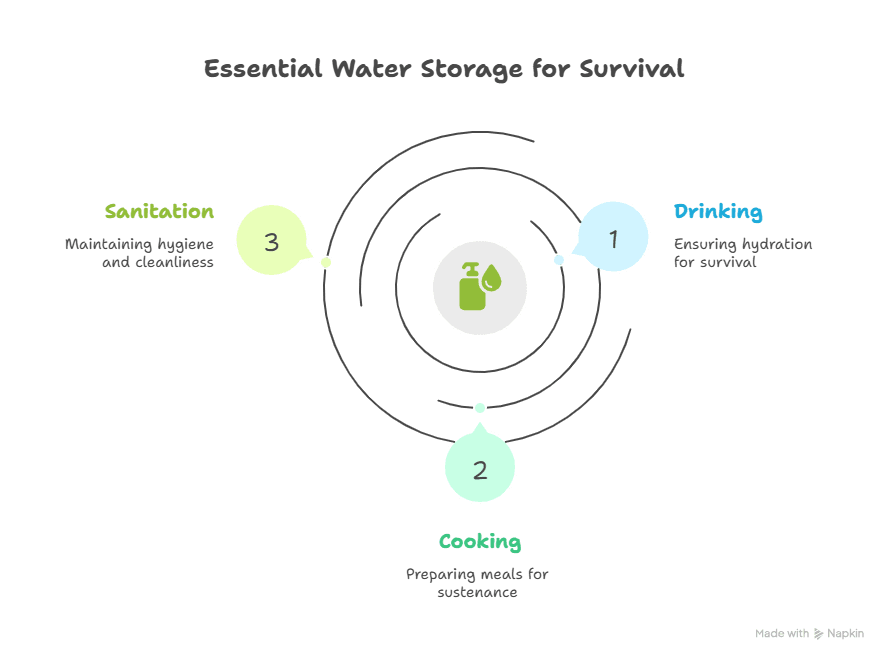
It’s interesting that water is equally as crucial, if not more so! We need it for everything, such drinking, cooking, and keeping clean. Think about it: we’d be in a real mess without water (and I don’t mean the sort you consume). As a general guideline, each person should drink at least one gallon of water every day for three days. When you’re thirsty and dreaming of cool drinks, three whole days without water can feel like forever.
Now, picture this: you’re at home during a storm, all snug and ready with your emergency supplies and canned goods. But then the power goes out, and all of a sudden your fridge is just a sad little icebox. You neglected to get more water, so now you’re stuck with that half-empty bottle from last week as you try to figure out how to cook ramen from scratch. That’s a disaster I don’t want to be a part of!
It’s important to cook with water, not just drink it. Have you ever tried making pasta without boiling water? Spoiler alert: it doesn’t work! And we shouldn’t forget about cleanliness. When your only source of water is running out, washing your hands becomes a luxury. You might wonder if those baby wipes can actually take the place of a nice scrub or if dry shampoo will work just as well as shampooing your hair. Believe me, no one wants to live in that kind of mess!
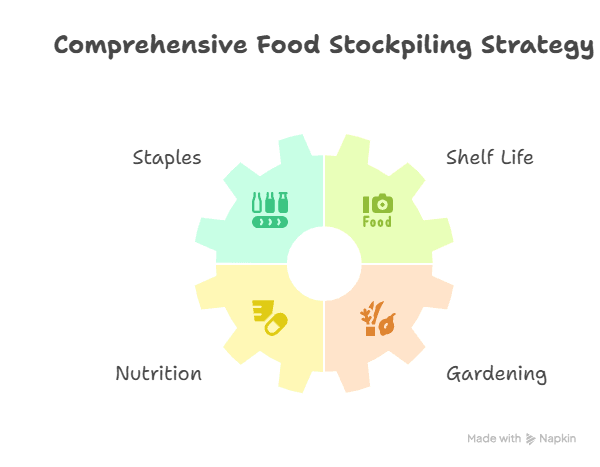
In fact, having other ways to stay hydrated can make a big difference. You never know when you’ll be looking at a puddle that looks suspicious and thinking, “Hmm… I wonder if I could drink that?” So it’s a good idea to get purification pills or filters. Spoiler alert: probably not! But with the correct instruments, you could make dirty water safe to drink, like magic but not as cool.
And let’s speak about storage! Check to see that your water containers are clean and constructed of materials that are safe for food. You wouldn’t want any weird tastes to get into your prized stash. Imagine taking a sip and finding out it tastes a lot like last month’s spaghetti sauce (yikes!). Also, check on your supplies often and change them out every six months or so to keep things fresh.
In conclusion, remember that drinking enough water is important during emergencies. It’s not just for staying alive, but also for keeping your spirits up when things don’t go as planned. So be smart about how you stock up, keep those gallons coming, and maybe even add some flavored packets to make things more interesting! Who says that living has to be boring?
Choosing the Right Containers
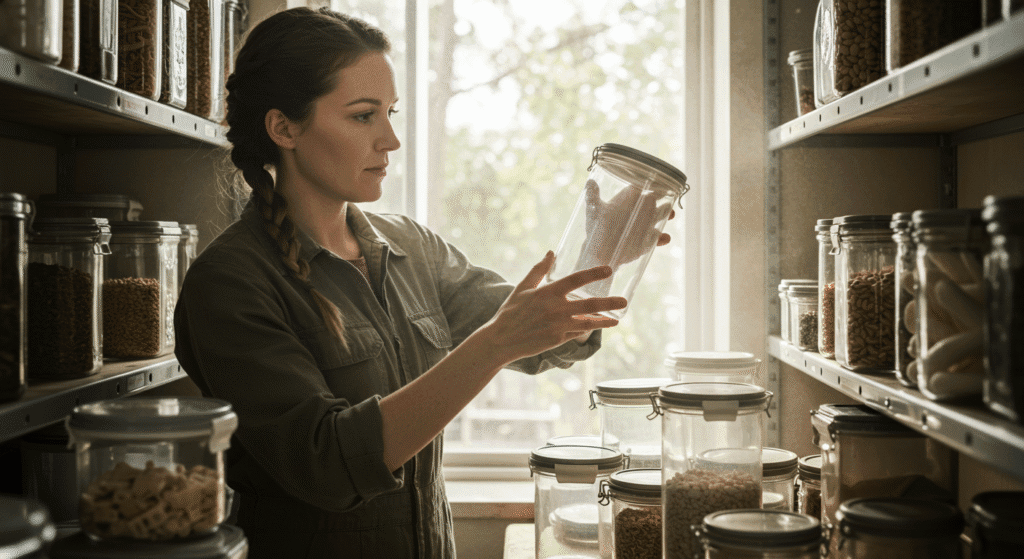
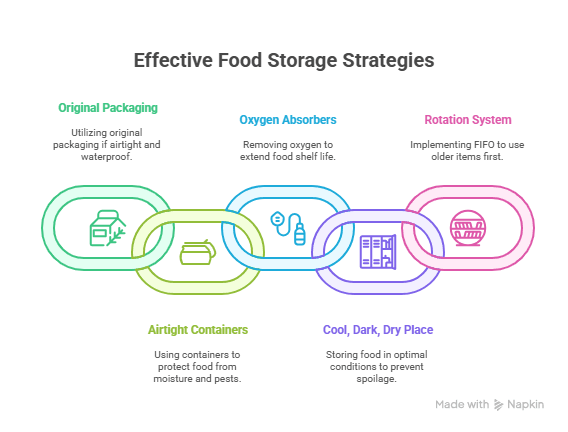
Now that we know how important it is to store food and water, let’s get down to the details: choose the correct containers. You wouldn’t put your valuable cookies in an old shoebox (unless you want to keep them from your family). Choosing the right containers for your food and water will also help them stay fresh longer.
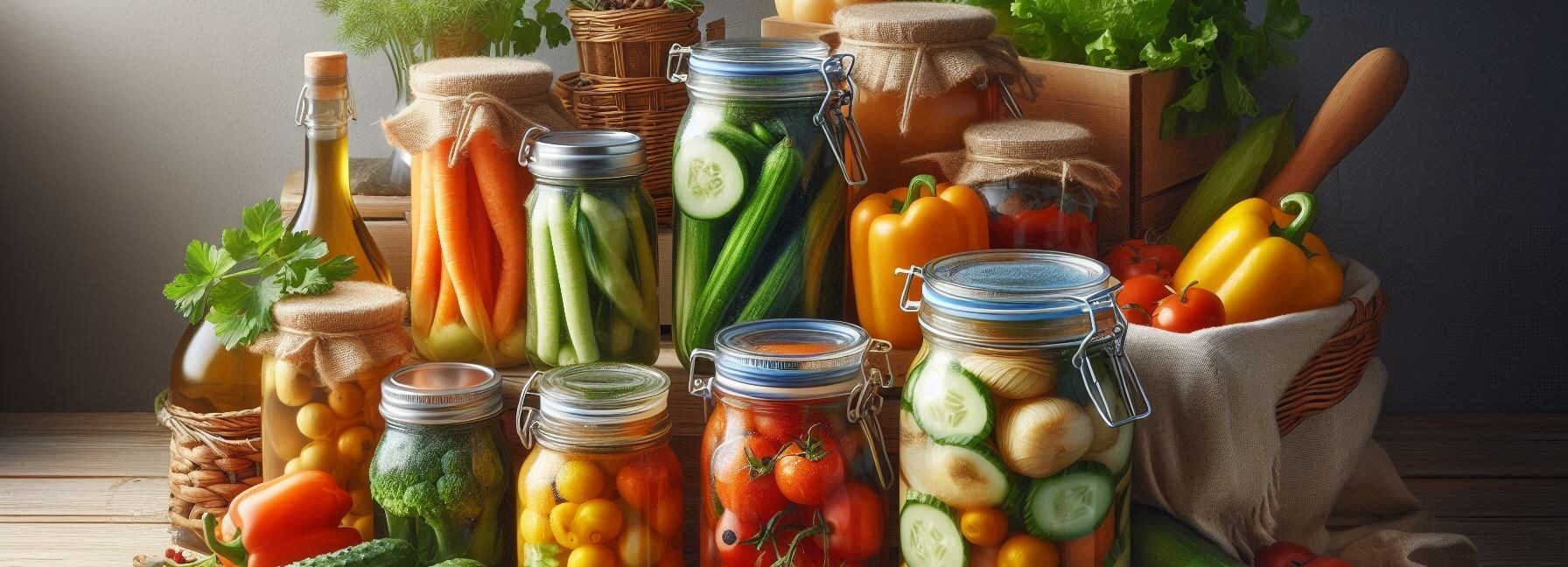
Airtight containers are important for dry goods like rice and beans. They keep bugs and dampness out so your cache doesn’t become their buffet table. Glass jars are great for this; they can be used again and again, and they look great on your pantry shelf too! Just picture telling your buddies about your great jar collection while secretly knowing that it’s all about staying alive.
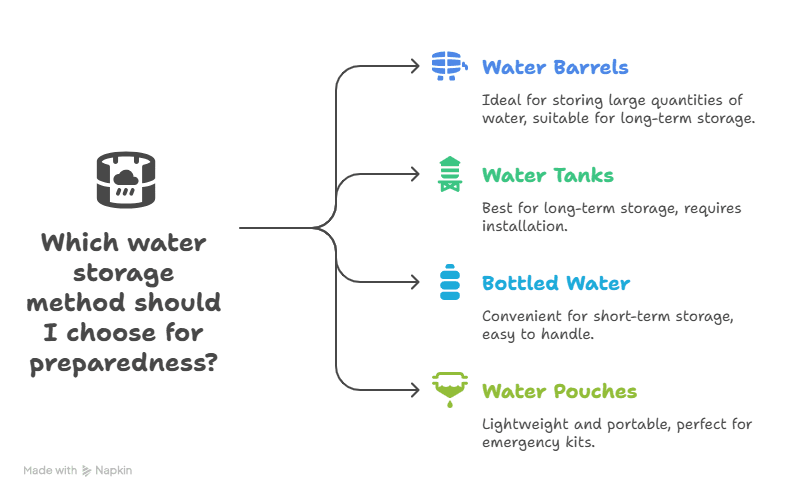
You might want to use BPA-free plastic containers that are made for long-term storage when you store water. These bad boys can hold a lot without breaking down over time, which is really important because you don’t want your emergency stash to taste like a science experiment gone wrong. Believe me, no one wants to take a drink and then feel like they’re drinking from a melted action figure!
Now, let’s speak about how big they are. These containers come in various shapes and sizes. Some are just the right size to fit beneath your sink, while others seem like tiny water towers that may compete with your neighbor’s collection of garden gnomes. The most important thing is to pick containers that fit your area and demands. Just make sure the lids fit tightly; if they don’t, you might as well be spilling your valuable water down the toilet!
And to be honest? Don’t forget to put labels on things! Imagine this: you’re baking under a lot of strain on a hot afternoon (maybe there’s a bake-off going on), and you grab for what you believe is sugar but it’s really salt! What a recipe disaster! Or worse, what if you found out that instead of refreshing lemonade, you were drinking flavorful pickle juice on a hot summer day? I mean, unless you like that kind of thing—and hey, no judgment here—but most people would rather their drinks not taste like they came straight from the bottom of a jar.
Labeling does more than only assist you keep track of things; it also helps with rotation. When you have a lot of containers full of water, clearly labeling them with dates will help you remember when you stored each batch. This way, you’ll constantly be drinking fresh water instead of trying to figure out how old your survival supplies are.
Another cool tip? Keep some water in smaller bottles as well! If you need to leave quickly or go on an adventure (you know, just in case things turn crazy), they’re easy to grab and go. Also, everyone in the family can go to their own bottles without having to fight over who gets the last huge jug.
To sum up, storing water properly isn’t simply about filling up jugs; it’s an art! You may be confident that you’ll always have consistent hydration at your fingertips—no pickle juice needed!—if you choose BPA-free containers that are meant to last a long time and label everything carefully. So get ready and store wisely; you’ll be glad you did in the future!
Stocking Up on Non-Perishable Foods
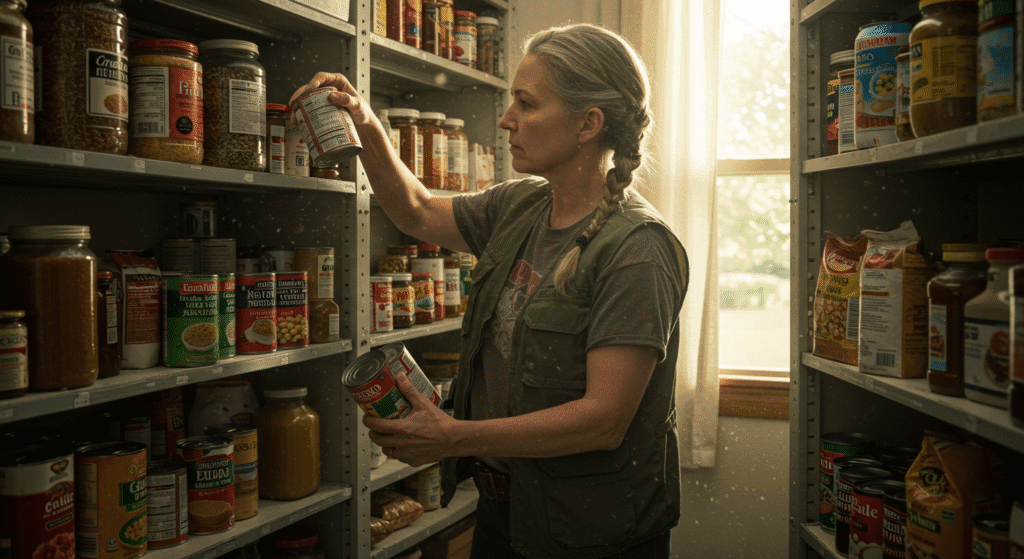
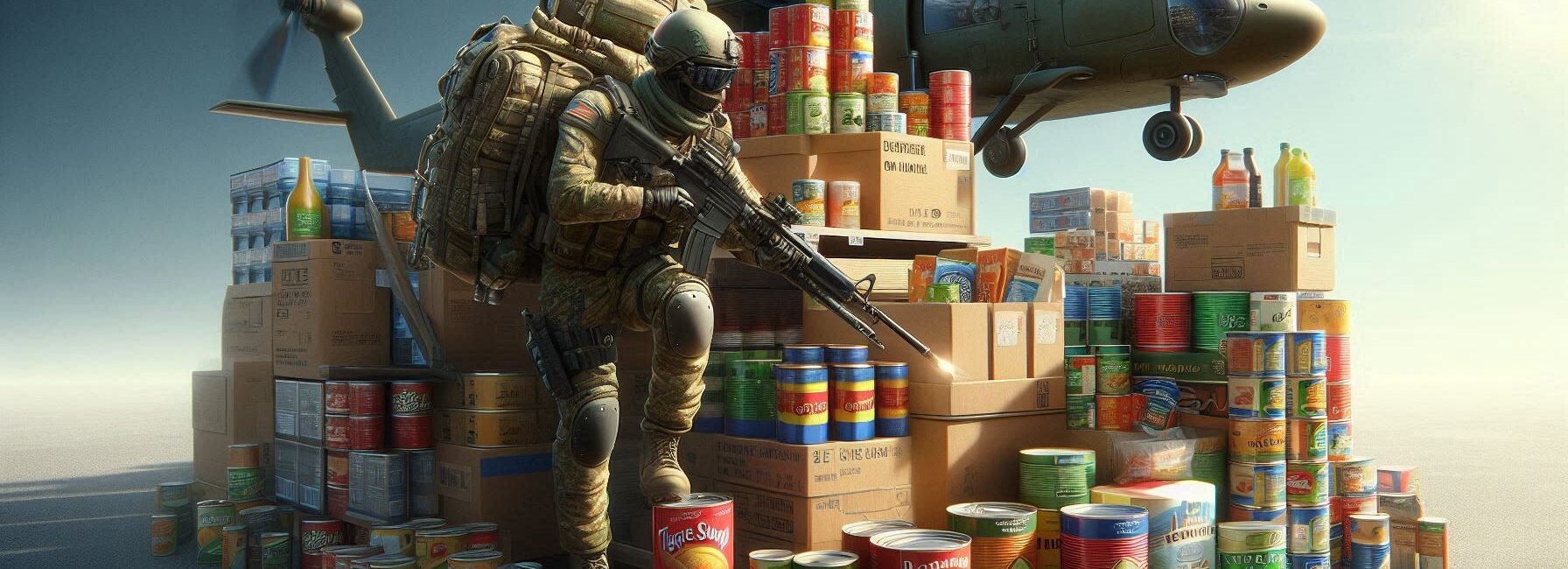
Now that we’ve organized our containers, it’s time to figure out what goes inside them! In times of trouble, non-perishable foods are your best friends because they survive longer than most soap operas (and believe me, they’re not as dramatic). Think of canned foods like fruits, veggies, soups, and even chili if you’re feeling brave.
I also think you should add some meals that have been freeze-dried. These are light and simple to make—just add boiling water! It’s like magic to watch them change from small packages into big dinners right in front of your eyes. Also, they generally have pleasant flavors that make eating amid emergencies less of a hassle.
And don’t forget about spices when you talk about flavors! A little seasoning can really change those boring survival dinners into something that tastes like gourmet food—or at least something you can eat! Think about how it would feel to eat plain rice after a week of eating nothing but it. Oh no! It’s like eating cardboard and feeling bad about it. Let’s add some flavor!
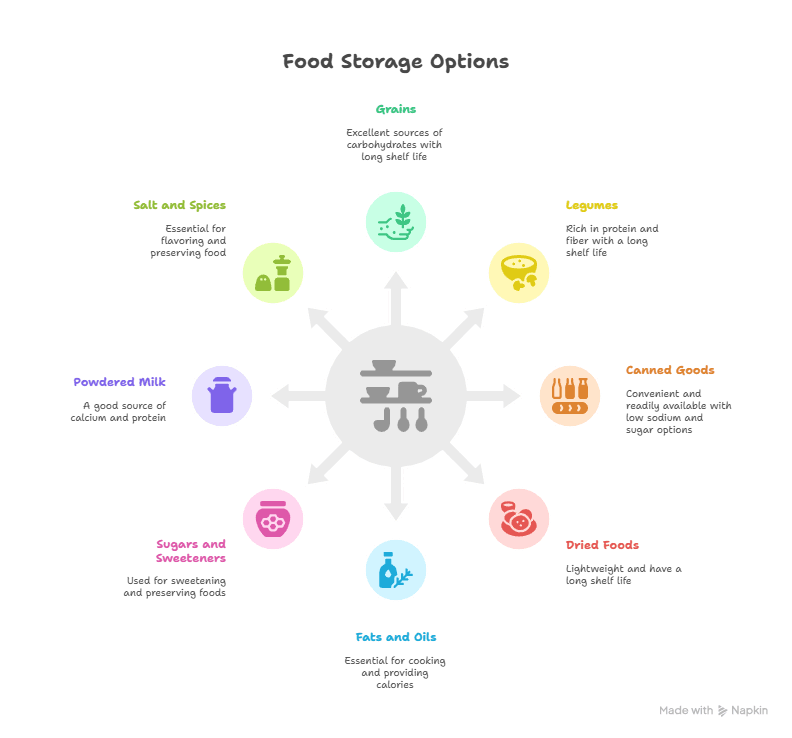
First, you need to get the basics: salt and pepper are must-haves. These two small powerhouses can make practically any dish go from boring to amazing in no time. Salt brings out the tastes in food and keeps it fresh, and pepper gives it that extra spike that makes your taste receptors do a happy dance. You might think they are easy, but believe me, they’re what makes every meal amazing.
Garlic powder is another great ingredient that you shouldn’t forget about. It’s like having a little flavor wizard at your service! Just add a little to whatever you’re cooking, and you’re done! All of a sudden, you’re eating like a king instead of camping in the woods. I mean, who doesn’t like the smell of garlic in the air? It’s almost like an invitation for everyone to come to the campfire, even if it’s just your dog hoping for scraps.
But don’t stop there! You can also get creative with other favorites! When you’re not camping out in your backyard or in an emergency, think about what flavors make you happy or calm. Italian herbs like oregano and basil could remind you of family dinners, or hot chili flakes might make even the dullest beans taste better. Anything that makes you happy should go into your storage!
Also, think about buying some pre-mixed seasoning mixes, like taco seasoning or curry powder. Sometimes, when you’re under pressure or don’t have a lot of resources, it’s best to keep things simple. Also, they’re great for when you don’t want to measure out each spice separately.
And here’s a fun tip: keep them in the right place! If you want your spices to stay longer than a few weeks, keep them away from light and moisture. An airtight container is best—something that looks nice on your shelf but is also useful enough that they won’t pour all over during an earthquake (because let’s face it, that’s just messy).
In short, don’t forget how useful spices can be in your food storage plan. They can turn boring dinners into works of art in the kitchen, or at least make them a little more fun while you deal with whatever craziness life throws your way next. So, get those spices ready and get ready for some tasty adventures ahead. Just because you have to survive doesn’t mean you have to give up taste!
Water Purification Options
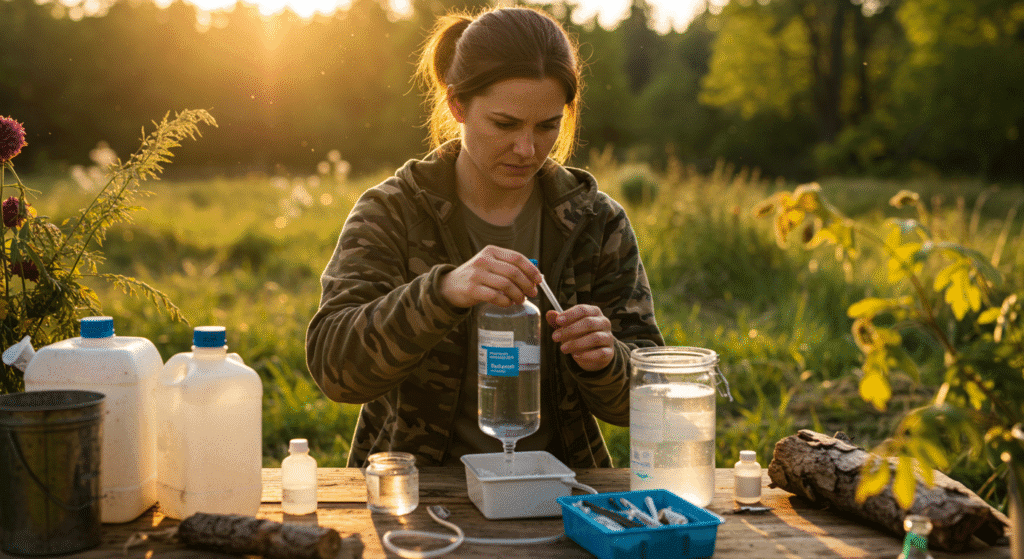
It’s excellent (and vital) to have saved water, but there may be occasions when you need more than what you have on hand, especially if you’re going to be in “Disasterland” for a long period. That’s when methods of purification come in handy!
You might buy purification tablets or filters that are made just for emergencies. These useful equipment let you turn unsafe sources of water into safe drinking water faster than you can say “hydration station!” Have you ever looked at a puddle after a lot of rain and thought it was strange? With these tools on hand, you’ll be able to drink without worrying about turning into a fish!
Another option to think about is boiling water. This is a classic yet effective way to remove hazardous germs that may be hiding in beverages that seem suspect. It’s comforting to watch those bubbles rising and know that you’re getting rid of germs like a superhero in the kitchen. But let’s be honest: boiling takes time and patience, which a lot of people don’t have when they’re thirsty! I mean, have you ever attempted to wait for water to boil when you’re really thirsty? It feels like watching paint dry on a hot day!
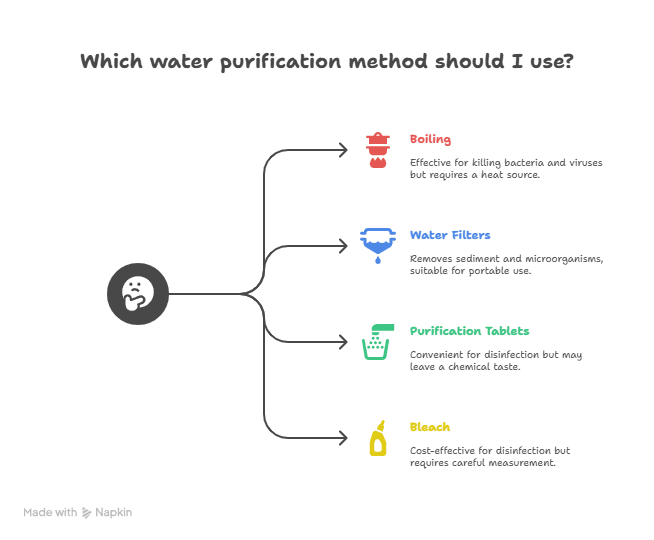
First, let’s discuss about the science of boiling. When you bring water to a rolling boil, which is roughly 212 degrees Fahrenheit, you’re not only making it hot; you’re also getting rid of any bacteria, viruses, or parasites that might be hanging around like unwanted guests. This is especially important if you’re camping and see a suspicious puddle or stream. A little patience now will keep your stomach from turning into a horror show later.
Don’t forget the basics of boiling! You will need a clean pot (not one that you used to cook your neighbor’s leftover stew) and a stable heat source, like a campfire or your stove at home. Simply add the water you think is bad and turn up the heat! Don’t pace back and forth like a cat waiting for meals as it heats up. Instead, take a book or play air guitar until the bubbles start to dance.
It’s interesting that you’ll want to let it cool down before drinking it straight from the pot, even after bringing it to a boil for at least a minute (or three minutes if you’re at a higher altitude). Unless you’re trying to get third-degree burns as part of your survival training! Putting it in a different container also helps it cool down faster. And don’t forget: don’t drink it all at once; give yourself a minute unless you want to play “hot potato” with your tongue.
But what do you do if you’ve boiled all your water and still need more? This is where your imagination comes in, my friend! You may do this boiling process again if you have other sources of water, such a rainwater collecting system or even some snow (don’t knock it till you’ve tried it). Just think of all the fun you’ll have trying out different water sources while keeping that pot close by!
In conclusion, everyone should learn how to boil food and water as part of their food and water storage plans. Yes, you need to be patient, but you also need to be patient when you wait in line at the DMV. So the next time you need safe drinking water, just think like a chef and remember that good things come to those who wait, even if they’re really thirsty!
Maintaining Your Stockpile
It’s important to not just sit back and believe you’re set for life once you’ve loaded up on food and water. Regular maintenance keeps everything fresh until you need it most (because who loves stale crackers?).
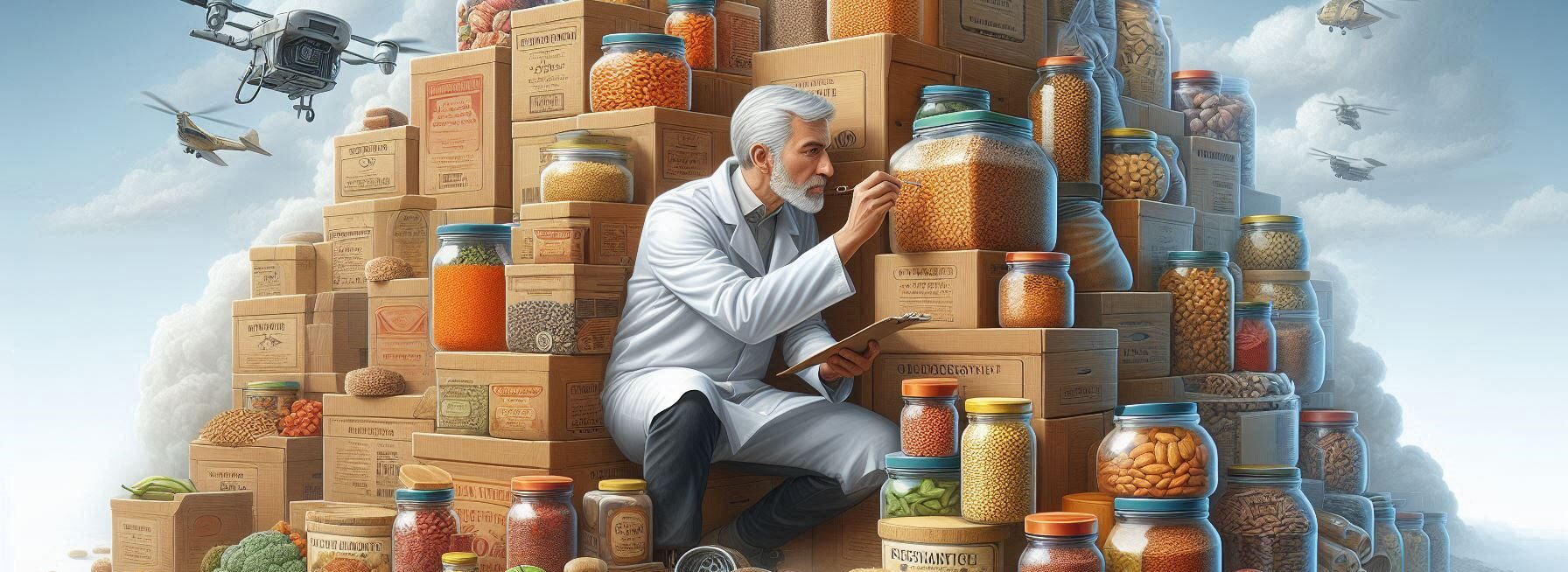
Start by changing things out often. Use the older ones first and then replace them with fresh ones so that nothing goes bad without you noticing it behind those glossy glass jars that are collecting dust bunnies! This method is better than any calendar at keeping track of expiration dates, and it also saves money by not wasting food!
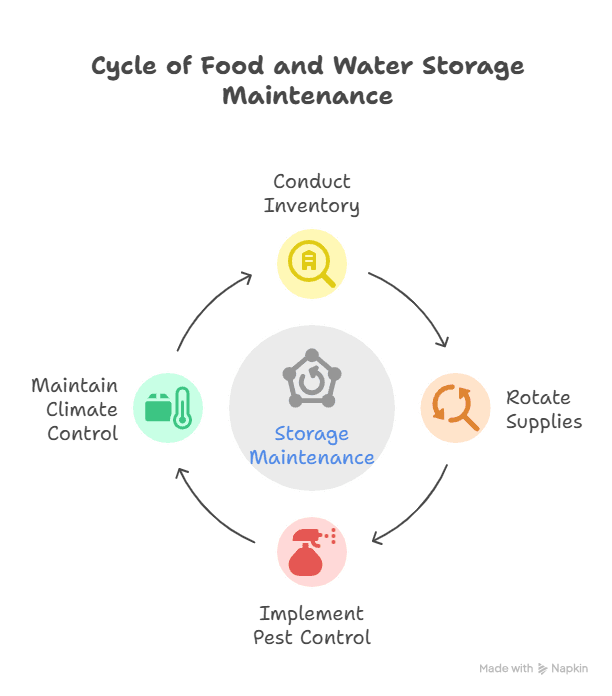
Also, it’s important to check the environment where things are stored often. A cold, dry place keeps food fresher for longer and stops moisture from building up, which could cause problems with rotting later on.
Finally? Make a list of everything in each container, along with the date you bought it. It may seem like a lot of work, but believe me, it will save you a lot of trouble later when you’re going through a lot of cans for something specific in the middle of an emergency!
Frequently Asked Questions
How much water should preppers store per person?
Most emergency guidelines recommend at least one gallon of water per person per day for a minimum of three days.
Are airtight containers important for food storage?
Yes. Airtight containers protect dry goods from moisture and pests, helping extend shelf life.
Which containers are best for long-term water storage?
BPA-free plastic containers designed for potable water storage are generally preferred because they’re durable and food-safe.
Do spices matter when stocking emergency food?
Spices help improve flavor and variety, making repetitive or bland foods easier to enjoy during extended emergencies.
Can water purification tablets replace boiling?
Purification tablets are useful for treating unsafe water quickly, but boiling remains a reliable method when heat and time are available.
How often should stored water be rotated?
Most emergency planning guidelines recommend rotating stored water about every six months to keep it fresh and safe.
Why is inventory tracking useful for a prepper pantry?
Inventory lists help monitor expiration dates, avoid spoilage, and simplify rotation so older foods get used first.
Suggested Resources
Emergency Food Storage Planning
https://www.ready.gov/food-storage-planning
Water Purification Methods
https://www.cdc.gov/healthywater/drinking/public/water_purification.html
How Long Do Canned Foods Last?
https://www.canr.msu.edu/news/how_long_do_canned_foods_last

Kevin Collier is a seasoned survivalist and expert in prepping and homesteading, contributing to WiseSurvive.com. With a deep-rooted passion for self-sufficiency and outdoor survival skills, Kevin shares practical advice, strategies, and resources to help individuals prepare for any challenge. His informative articles cover a range of topics, from essential survival techniques to sustainable living practices, empowering readers to thrive in any situation. Whether you’re a novice or a seasoned prepper, Kevin’s insights will inspire you to take charge of your readiness and build resilience for the future.