Last Updated on November 2, 2025 by Kevin Collier
Top Takeaways and Key Concepts
- Pack essential water, food, and a water filter or purification tablets first.
- Include warmth and clothing: sleeping bag, extra socks, and a strong jacket.
- Bring a first-aid kit with bandages, disinfectant, painkillers, and personal prescriptions.
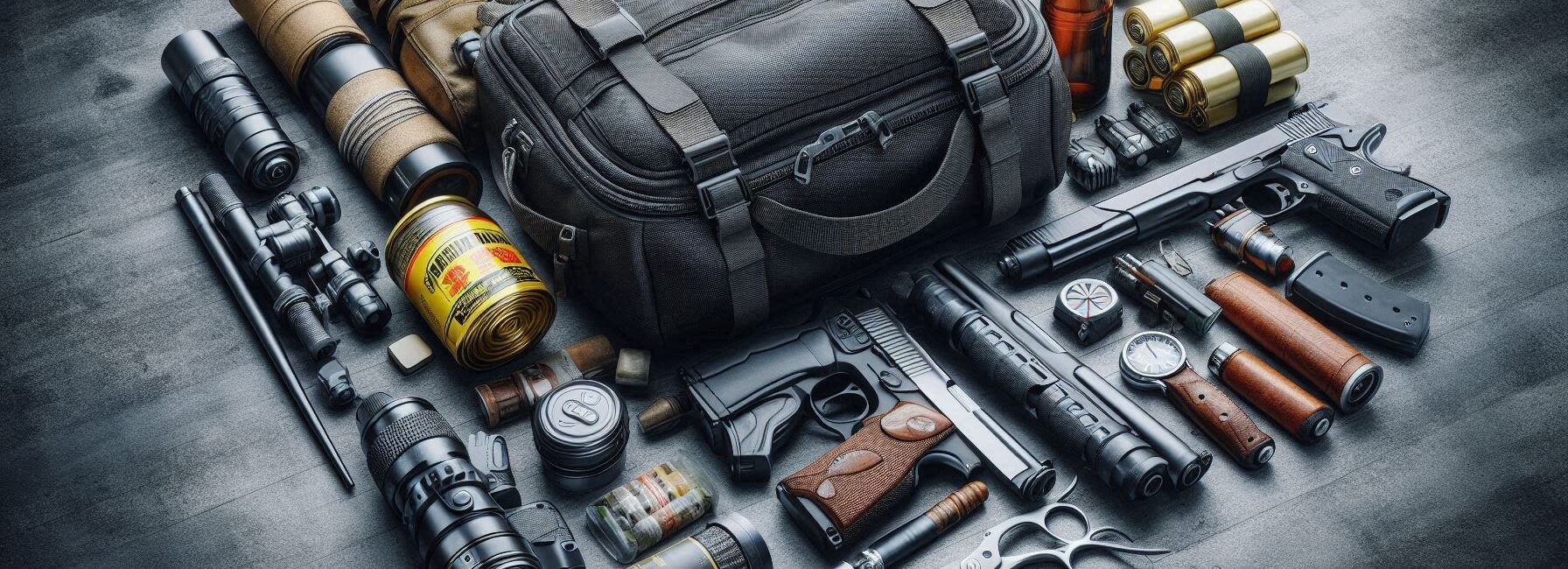
- Add tools, light, self-defense items, map, and compass for survival and navigation.
- Choose a comfortable, durable backpack and practice carrying it before emergencies.
Picture this: you’re getting ready for a camping trip that you didn’t expect. Doesn’t it sound like fun? Instead of roasting marshmallows, you can be running away from zombies or getting supplies if something bad happens. Oh no!
That’s when a bug-out bag comes in handy. It’s like your superhero backpack, full of everything you need to keep safe. No one really likes to be taken off guard.
Begin with the basics. Water comes first. You can’t live without it. Bring a water filter or tablets to clean the water. Thirsty while avoiding zombies? Not pleasant.
Next is food. But not all food. Think about energy bars or meals that have been freeze-dried. They’re easy to carry and light. Snacks are good, but you need something that will keep you going. some’s lovely to have chocolate, but you might want to reserve some for later.
Let’s talk about warmth now. A little sleeping bag or a space blanket would be a wonderful option. You never know when it might get cold outside. Also, a little warmth can help you feel better when things go tough.
You’ll also need some clothes. Having extra socks and a strong jacket can make a big difference. Believe me, having wet feet is the worst. Put in a tiny first-aid kit. It’s normal to have cuts and scrapes, especially while you’re having fun. You need band-aids!
Don’t forget your tools. There are so many things a multi-tool can perform. It’s like having a small toolkit in your pocket. And a light? Important. Nights can be dark, and you want to see what’s out there!
Also, think about how to protect yourself. It’s smart to have something to protect yourself, like pepper spray or a whistle. You never know when it might come in helpful.
Include a map and a compass. GPS can break down, but old-fashioned navigation can help.
Choose a purse that feels good. You should be able to grab it and run if you have to.
Practice after you’ve packed your bag. Take it for a short walk to see how it feels on your back. You might say to yourself, “I’ll figure it out later.” But believe me, practice makes everything go more smoothly when it matters.
Don’t worry too much about being perfect. It’s all about being ready. You are protecting yourself by having a bug-out bag. It’s like a safety net for the wild world out there.
So, purchase some snacks, pack your suitcase, and you’ll be better ready for whatever life throws your way. Who knows? You could even like the adventure!
Choosing the Right Bag
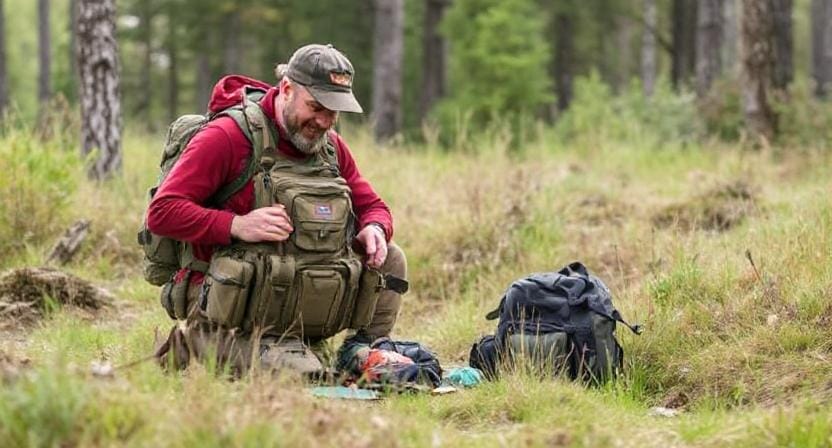
Choosing the correct bag is the first step. You don’t want anything that looks like it belongs on a runway. You need a strong backpack that can handle whatever apocalypse you’re getting ready for, whether it’s zombies or just getting caught in an unexpected downpour while hiking.
Think about how big and comfortable your purse is when you choose it. If you only need a few things, a smaller daypack can work.
But if you picture yourself running away from a lot of furious squirrels or worse, you’ll need something bigger with enough room for all your stuff. And let’s be honest: if there’s room for snacks, I’m sold!
Think about things like padded belts and different compartments. You’ll be glad you did when you have to dig through your backpack to find the emergency whistle you neglected to pack.
After all, being able to swiftly find your things is the best way to show that you’re ready!
What Goes Into Essential Supplies?
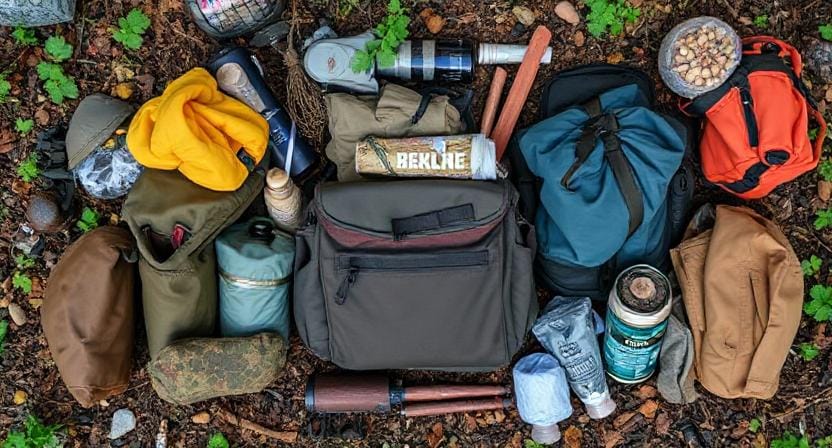
Let’s load our trusty bag with the things we need now that we’ve selected it out. This is like getting ready for a survival-themed scavenger hunt, except you don’t have to explain why you’re bringing three flashlights to town.
You should start with water purification tablets or filters. Drinking dirty pond water is only fun in cartoons. Next, it’s time to eat. High-energy foods like protein bars or trail mix are wonderful choices. They pack well and won’t go bad any faster than food that was left over from last Thanksgiving dinner.
Don’t forget about utensils when you talk about meals! A multi-tool may be used as a knife and fork, and if you need to, it can also be used as a screwdriver.
Just picture using it to cut open an energy bar while also mending your damaged tent pole, all while standing on one leg because you never know what problems will come up.
Also, don’t forget about personal protection tools like pepper spray or a tactical flashlight. These gadgets can assist keep people from bothering you in an emergency, and they might also be useful at night when someone thinks it would be funny to terrify you with ghost stories around the campfire.
Band-Aids Are Your Friends in a First Aid Kit
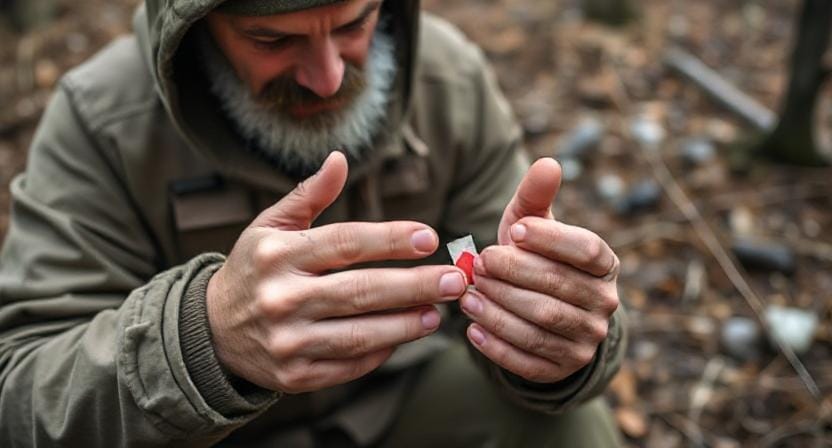
A first aid kit is a must-have for any bug-out bag. Imagine this: you’re out in the wild when you unexpectedly tread on something sharp (play the dramatic soundtrack). Don’t freak out and wish you had packed more than just gummy bears; instead, get your first aid kit!
Include things like sticky bandages (because no one likes to walk around with an open wound), disinfectant wipes, gauze pads, and painkillers.
If you’re feeling really brave—or maybe a little paranoid—add some splints or even snake bite kits! Who knows? It might become popular with other preppers.
Also, don’t forget any prescriptions you take on a regular basis. Trust me, it’s not fun to be lost without them! Make sure that everything is clearly labeled so that no one gets confused about which bottle has Grandma’s secret chili recipe and which one has Tylenol.
Tools for Getting Around: Don’t Get Lost!
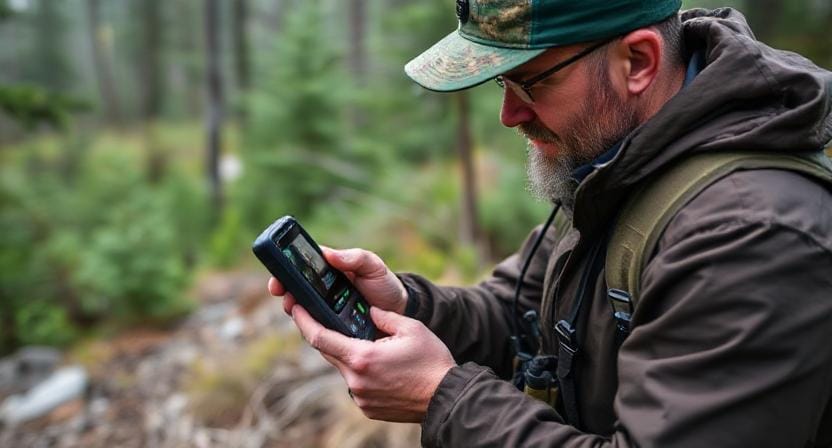
Let’s see… how can we not leave a trail of human breadcrumbs along the way? Tools for navigation are really important! Smartphones are great until they die abruptly because they don’t have service (thanks again, AT&T). Old-school maps, on the other hand, never run out of battery life unless raccoons devour them, which happens more often than you’d think.
A decent compass is also a great tool for finding your way around new places. Do you remember how easy it was to get lost on family car trips? Now picture doing that while trying not to get bears’ attention!
Also, make sure to practice utilizing these navigation tools before going into places that could be risky. Believe me, it’s not pretty to be sweating from stress and looking for North, and it’s not pretty to ask passing hikers if they’ve seen civilization lately!
Last Steps: Make Your Bug-Out Bag Your Own
As we finish up our bug-out bag adventure (and yes, I meant “wrap up” on purpose because I hope everyone has packed their burritos!), don’t forget to personalize!
Include things that show who you are, such a journal to write down your thoughts while you’re outside and alone, or a plush animal named Mr. Snugglesworth that gives you emotional support no matter what.
In the end, it doesn’t matter if Mr. Snugglesworth makes it into your final pack. What matters most is that you feel confident that you’ve done everything you need to do in case of an emergency (or just being late for dinner).
That’s all there is to it. You have a good start on your ideal bug-out bag. It was developed particularly for you, with a focus on safety and self-defense.
Picture this: you’re out and about and ready for anything. That’s what this bag is for.
Think about the snacks you like best. They’re in there to provide you energy and comfort. There are a lot more things in this bag than just snacks. You have tools for surprises, first-aid supplies for when things go wrong, and warm clothes for when it gets cold. Isn’t cozy the most important thing?
Self-defense gear is just as important. It makes a big difference to have anything to defend yourself. Knowing you have that on hand will make you feel better.
Take a time to consider how it makes you feel. You’re in power if you have this bag ready. Doesn’t it feel good? Like you can take on anything in the world.
You can change this bag whenever you wish. Add things that you require. You could wish to include your favorite book or something that makes you feel protected.
And don’t worry about making it flawless. Just get going. As you go, add items. It’s important to be ready while yet being yourself.
Your bug-out bag is like your best friend. It’s there for you and ready when you need it. So, take a big breath, get your bags ready, and remember that experiences are always more enjoyable when you’re ready for anything!
Frequently Asked Questions
What are the first essentials to pack for a self-defense bug-out bag?
Start with water, a filter or purification tablets, calorie-dense food, and items that keep you warm and dry.
Why is extra clothing important in a bug-out bag?
Extra socks, warm layers, and a durable jacket help prevent hypothermia, blisters, and discomfort in unpredictable weather.
What should a first-aid kit include for emergencies?
Add bandages, disinfectant wipes, gauze, pain relievers, and prescription medications that apply to you personally.
Why include navigation tools like a map and compass?
Electronics can fail or lose signal, so analog navigation ensures you can find safe routes when GPS is unavailable.
What tools support self-defense and utility in the field?
A multi-tool, tactical flashlight, whistle, or pepper spray can help with both protection and practical repairs.
How do I choose the right backpack for a bug-out setup?
Pick a durable, comfortable pack with padded straps and compartments so weight distribution is easier over long distances.
Why practice carrying your bug-out bag?
Testing the load beforehand helps you adjust gear, reduce weight, and improve mobility before a real emergency happens.
Suggested Resources:
The Ultimate Guide to Building a Bug Out Bag
https://www.survivopedia.com/bug-out-bag-guide/
How To Build the Perfect Bug Out Bag
https://www.prepperwebsite.com/perfect-bug-out-bag/
Bug Out Bags 101
https://www.ready.gov/kit

Kevin Collier is a seasoned survivalist and expert in prepping and homesteading, contributing to WiseSurvive.com. With a deep-rooted passion for self-sufficiency and outdoor survival skills, Kevin shares practical advice, strategies, and resources to help individuals prepare for any challenge. His informative articles cover a range of topics, from essential survival techniques to sustainable living practices, empowering readers to thrive in any situation. Whether you’re a novice or a seasoned prepper, Kevin’s insights will inspire you to take charge of your readiness and build resilience for the future.