Last Updated on November 1, 2025 by Kevin Collier
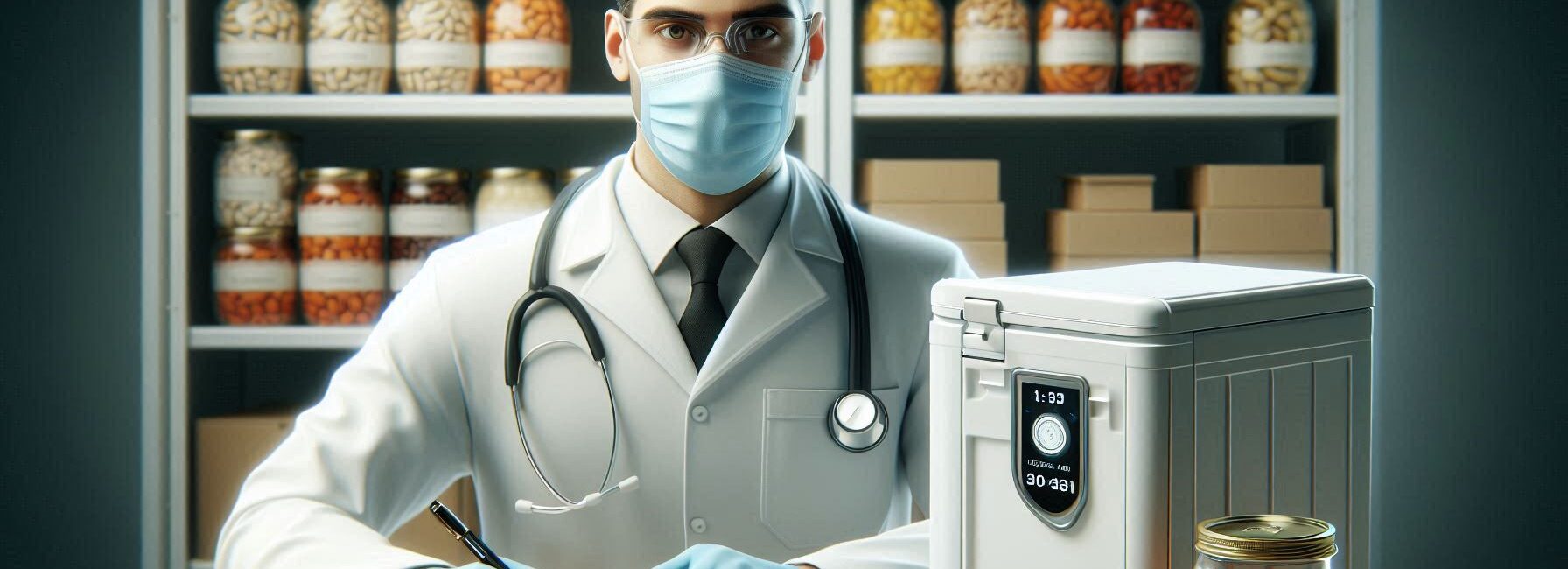
Top Takeaways and Key Concepts
- Store in Cool, Dry, Dark Areas: Avoid heat, humidity, and sunlight to prevent spoilage.
- Use Airtight Containers: Protect food from pests and moisture.
- Label and Rotate Stock: Use FIFO (First In, First Out) method for freshness.
- Keep Away from Chemicals: Store food separately from cleaning supplies and fuels.
- Inspect Regularly: Check for signs of damage, pests, or contamination.
So, you’ve made the big decision to start storing food. That’s awesome! Maybe it’s for cozy winter days or just because grocery prices make your wallet cry. Either way, it’s a smart choice. Having a stash of food can feel like a warm hug on a chilly day.
But let’s be real. Storing food safely matters a lot. Nothing’s worse than opening your carefully stocked beans and finding a funky little science experiment growing inside. Yikes! We don’t want that.
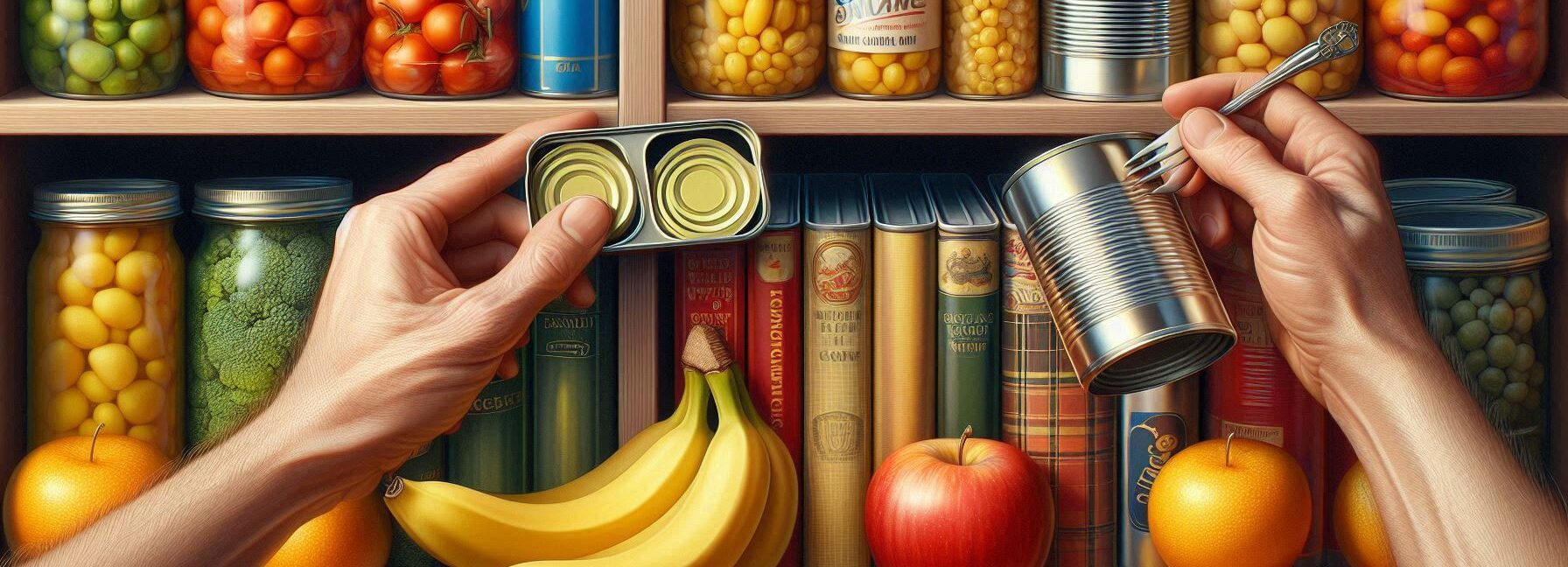
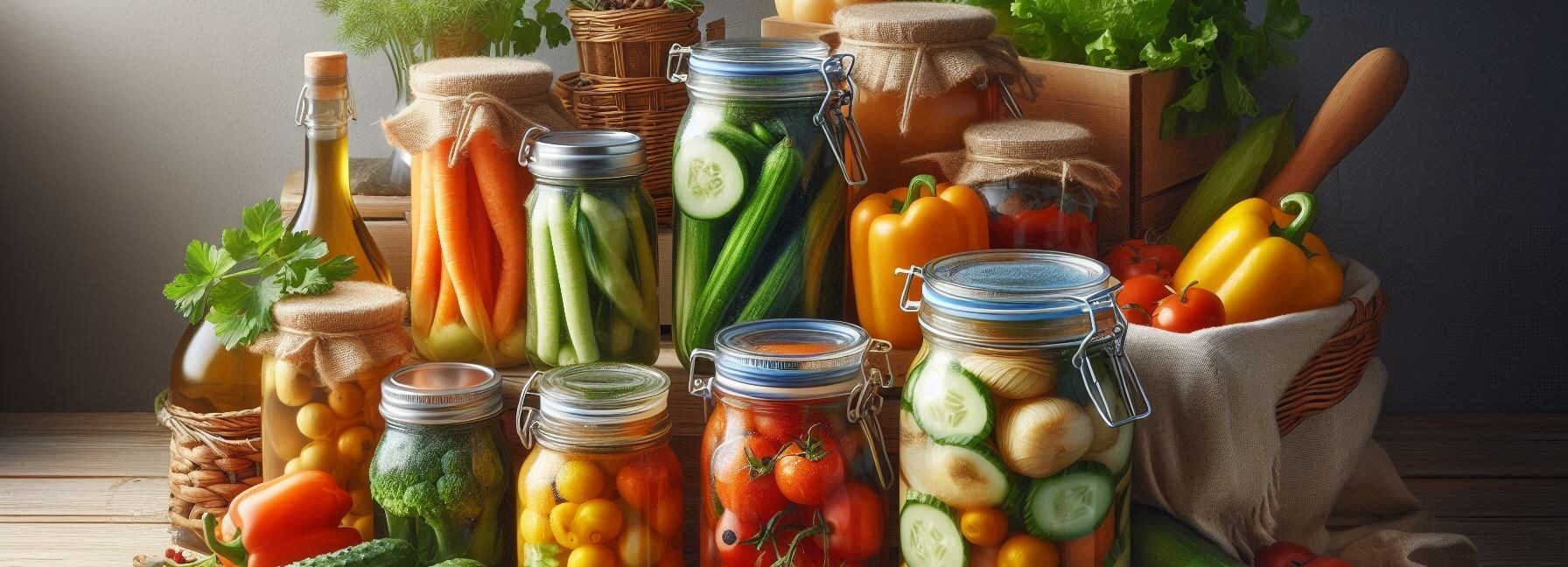
Start by choosing the right containers. Glass jars are great—like your cool grandma’s pickles. Plastic bins can work too, but make sure they’re food-safe. You want your food to be happy!
Check the area where you’ll keep your food. It needs to be cool and dry, kinda like your favorite spot on the couch. If it’s too warm or damp, that’s a no-go. You want your food to last, right?
Labeling is key. It sounds silly, but trust me. You don’t want to play the guessing game a few months down the line. Write down the date and what’s inside. Use stickers or colorful markers. Make it fun!
Keep an eye out for bugs. They love food just as much as you do. Check your supplies every once in a while. If you notice anything suspicious, like little invaders or weird smells, just toss it. Better safe than sorry!
Rotate your stock, too. Use up the oldest stuff first. It’s like a mini treasure hunt every time you cook. You can feel good knowing nothing’s going to waste.
Try canning or freezing if you’re feeling brave. It’s like giving your food a small break so that it stays good for later. Just read these simple instructions, and you’ll be an expert in no time!
Storing food is a fun adventure. You’re looking out for yourself and others you care about. Plus, it’s nice to know you have your own little store of food. So, let’s make sure those beans are safe and happy! You’re doing a terrific job, pal! 🍲✨
Understanding Food Contamination
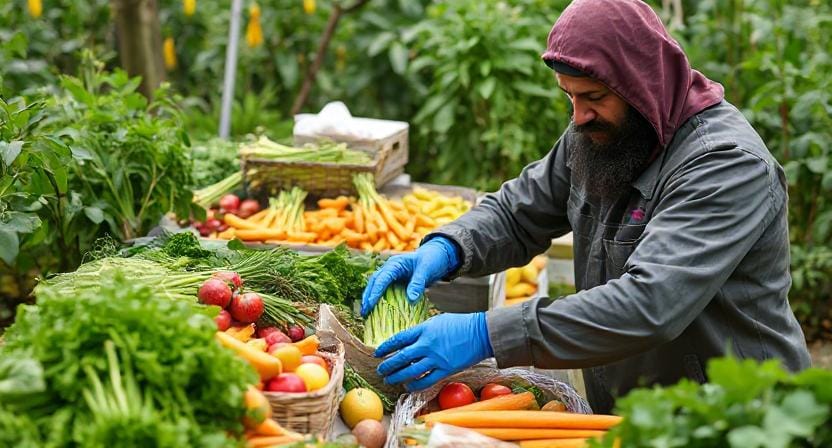
First, let’s learn about what we’re up against. There are various ways that food might get contaminated, like the strange green fuzz that showed up on my leftover pizza last week (luckily, I didn’t eat it).
1. Biological Contaminants: This group comprises bacteria, viruses, and molds that like to crash our food parties when we don’t expect them to. Have you ever heard of salmonella? Yes, that’s not the kind of visitor you want to show up at your cookout.
2. Chemical Contaminants: These are things like pesticides or cleaning products that can get into our food if we’re not careful. Don’t combine bleach with your salad dressing, even if you think it will make a wonderful TikTok video.
3. Things that are dirty: Think about this: You’re eating a tasty bowl of soup when you suddenly bite down on something hard and realize it’s a piece of plastic! Not the best, right? It’s important to keep an eye out for these things.
Now that we know what we’re up against, let’s figure out how to keep our food safe!
Picking the Right Storage Boxes
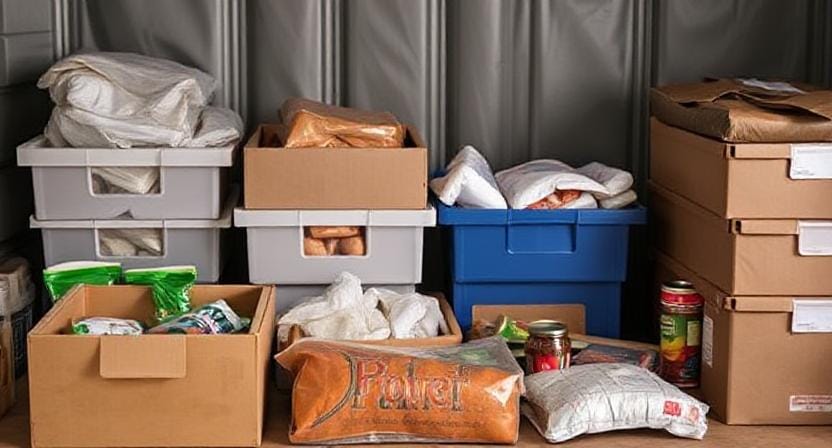
Using the appropriate containers is one of the easiest methods to keep your food safe, by the way! You wouldn’t put ice cream in a paper bag (unless you wanted it to get all soggy), so why would you use weak packaging for other foods?
1. Containers that are airtight: Buy airtight containers made of glass or heavy-duty plastic that are of good quality. They keep bugs and air out and keep things fresh longer than my New Year’s resolutions.
2. Vacuum-Sealed Bags: Vacuum-sealing is great for people who like to save space and keep food from getting freezer burn. Think about all the nicely preserved meats and vegetables that are waiting for their time to shine on dinner platters.
3. Mason Jars: Don’t underestimate how cute these jars are! They are great for keeping dry foods like rice and beans, and they also look cute on your kitchen shelves!
4. Put labels on everything. It may seem like a lot of work, but trust me, it’ll save you trouble later (and maybe even a cooking disaster). Put clear labels with dates on things so you know what to eat first before it becomes an archaeological find.
Keeping the Right Temperature
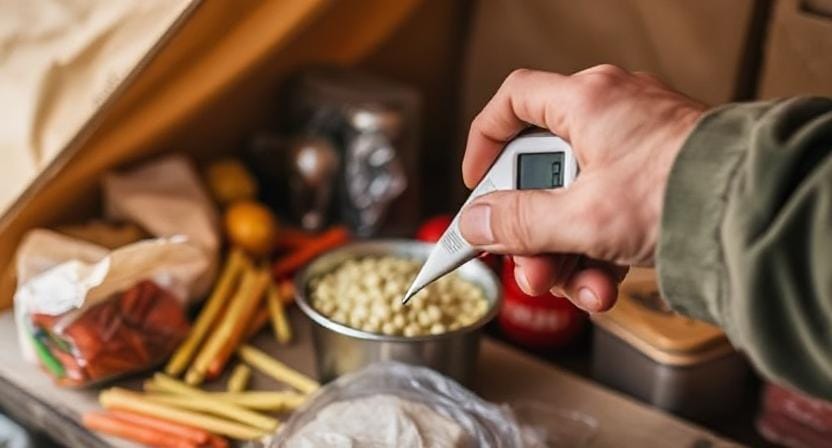
Another important thing to do to keep food from going bad and getting contaminated is to keep the temperature right. It’s like making sure your kids don’t leave ice cream out on the counter during summer break!
1. Keep It Cool: Most foods that go bad quickly do better in cooler places where bacteria can’t grow as quickly. For example, refrigerators should be kept at 35–38°F (or approximately 1–3°C).
2. Fun in the freezer: If you have meat or vegetables that you won’t use for a while, freeze them! Just remember to wrap everything up well. No one wants to find strange meat in their freezer like a villain in a horror movie.
3. Check often: Put thermometers in both the fridge and the freezer. Knowing if the conditions are right could keep those leftovers from turning into science experiments!
Keeping Clean
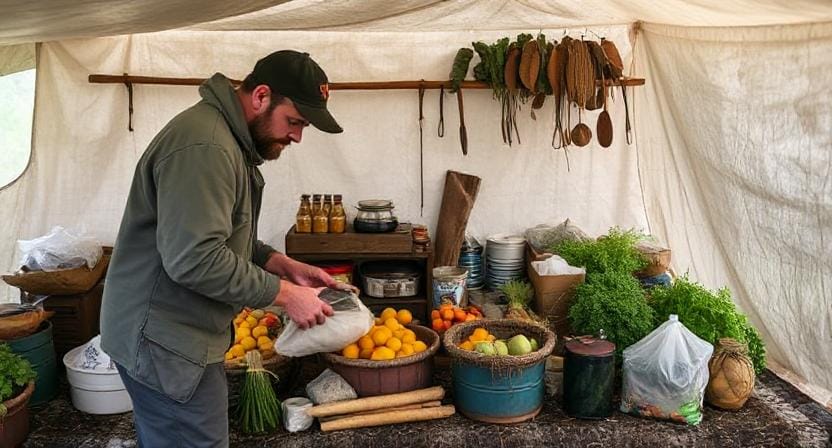
On that note… Hygiene is more important than I ever thought until I found old spaghetti sauce stuck to my favorite spatula last week. Here are some ideas:
1. Cleanliness Is Key: Use soap and water or vinegar solutions to clean the shelves well before putting anything new on them. This will get rid of crumbs that attract bugs seeking for a snack bar.
2. Regular Inspections: Don’t simply check your things during spring cleaning; do it all the time! Look for signs of infestation or deterioration early on, before they spread faster than family chatter.
3. Wash Your Hands Often: You should always wash your hands before handling food since no one wants to get extra flavor from yesterday’s supper trapped beneath their nails!
Keeping Things From Becoming Mixed Up
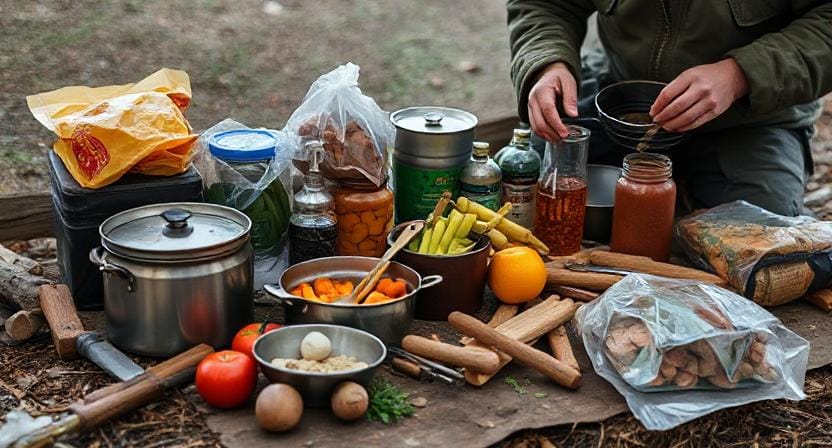
It’s interesting that cross-contamination can happen faster than I can say “dinner time.” Here are some things you can do to stop it:
1. Keep Raw and Cooked Foods Separate: To keep unwanted guests from showing up at dinner time, keep raw meats away from ready-to-eat foods like salads or fruits.
2. Use Different tools: Always use different cutting boards and tools when cooking with raw items and cooked ones (hello again chicken!) unless you want to make a mess.
3. Store Smartly in the Fridge or Pantry: Put raw meats on lower shelves so that their fluids don’t drop onto other foods. Keep canned products on higher shelves so that you don’t have to deal with messy surprises later.
Conclusion
Protecting your food from contamination? It’s totally doable and doesn’t have to stress you out. Honestly, just a bit of knowledge and a few simple steps can make a big difference. You got this!
Think about what can go wrong. Humidity can be sneaky. It can turn your rice into a soggy mess. Pests love to munch on food, too. Keeping it safe means being smart about where and how you store everything.
Using airtight containers is a smart move. They keep bugs out and moisture at bay. Glass jars or heavy-duty plastic bins work wonders. It’s like putting your food in a cozy little blanket.
Hygiene is super important. Wash your hands before you dig into your food or start handling supplies. Makes sense, right? You don’t want any germs crashing the party. Wipe down surfaces too. A clean kitchen is a happy kitchen!
Rotate your stock. Always use the oldest items first. It’s like getting to know your food better. You’ll find old favorites and maybe even discover something new. Don’t let anything go to waste!
Labeling is key! Don’t skip it. Write what’s inside and the date you packed it. Cute labels make checking your stash a fun little game. You’ll know exactly what you have and what you might need soon.
Feeling a little adventurous? Try canning! It sounds fancy, but it’s pretty straightforward. Just make sure you follow guidelines to keep it safe. That way, you can enjoy summer’s tomatoes in the cold of winter. Yum!
Every meal can be safe and delicious. With just a little effort, you can ensure your food stays yummy—not a regrettable adventure story. You’re setting yourself up for success! Keep going—you’re on a great path!
Frequently Asked Questions
Why should food be stored in cool, dry, dark environments?
Heat, humidity, and light accelerate spoilage and can increase microbial growth, reducing shelf life and safety.
What containers are best for long-term food protection?
Airtight glass jars, food-grade buckets, and sealed plastic bins help block moisture, pests, and contaminants.
How often should stored food be inspected?
Check storage areas regularly for insects, moisture, damaged packaging, or unusual odors to detect contamination early.
Why is labeling important?
Labeling with dates supports FIFO rotation and prevents confusion about age, expiration, and what should be used first.
Can food be stored near fuels and chemicals?
No. Strong fumes, vapors, or accidental leaks can seep into packaging and contaminate food supplies.
Does freezing or canning help reduce contamination risk?
Yes. Proper canning and freezing delay spoilage, stop microbial growth, and preserve food safely for extended periods.
What pests are most common in stored food?
Insects such as weevils, moths, ants, and rodents tend to seek out dry goods and can quickly destroy unprotected packaging.
Suggested Resources:
Food Safety Tips
https://www.fsis.usda.gov/wps/portal/fsis/topics/food-safety-education/get-answers/food-safety-fact-sheets
How To Preserve Food
https://www.healthline.com/nutrition/preserve-food
Food Storage Guidelines
https://www.foodsafety.gov/keep-food-safe/food-storage-guidelines

Kevin Collier is a seasoned survivalist and expert in prepping and homesteading, contributing to WiseSurvive.com. With a deep-rooted passion for self-sufficiency and outdoor survival skills, Kevin shares practical advice, strategies, and resources to help individuals prepare for any challenge. His informative articles cover a range of topics, from essential survival techniques to sustainable living practices, empowering readers to thrive in any situation. Whether you’re a novice or a seasoned prepper, Kevin’s insights will inspire you to take charge of your readiness and build resilience for the future.